
Indoor air quality plays a crucial role in maintaining a healthy home environment. Yet many homeowners overlook one of the most important parts of their HVAC system—the air ducts. These hidden pathways circulate warm and cool air throughout your house every day. Over time, dust, debris, allergens, and even mold can build up inside them. This is where understanding the correct air duct inspection frequency becomes essential. Scheduling a professional air duct inspection is not just about cleanliness. It affects energy efficiency, HVAC system performance, and even the health of everyone living in the house. Many people assume air ducts only need attention when something goes wrong. In reality, regular inspections help prevent problems before they start. In this guide, we’ll explore how often you should schedule a professional inspection, what factors influence the timeline, and why experts emphasize proactive HVAC maintenance. You’ll also learn how air duct inspections improve air quality, reduce energy bills, and extend the lifespan of your heating and cooling system while keeping indoor air healthier and more comfortable for your entire household throughout the year.
Understanding the Role of Air Ducts in Your Home
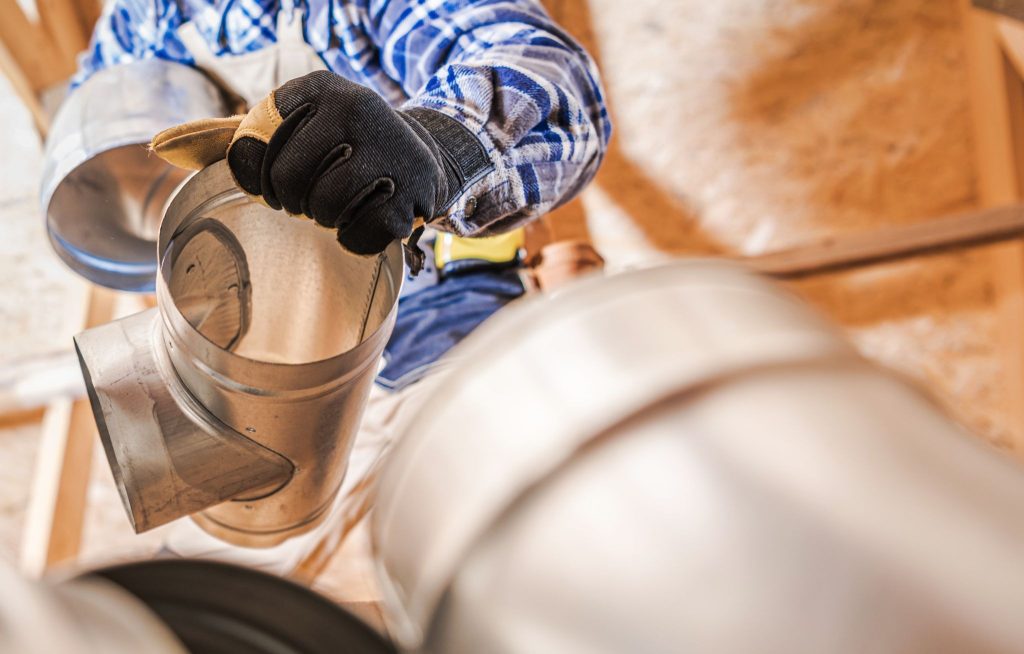
Air ducts act as the circulatory system of your HVAC setup, delivering heated or cooled air throughout the entire house while maintaining indoor comfort. Every time your heating or cooling system turns on, air moves through a network of ducts and vents before reaching each room. Because these ducts operate constantly, they naturally collect dust particles, pet dander, pollen, and microscopic pollutants. Over time, these contaminants settle inside the ductwork and can recirculate through the home whenever the system runs. According to indoor air quality research, the air inside homes can sometimes be two to five times more polluted than outdoor air, particularly in tightly sealed modern houses. A professional inspection evaluates the entire duct system to ensure that airflow remains consistent and clean. Technicians look for blockages, leaks, excessive dust buildup, insulation problems, and microbial growth that could affect both system performance and air quality. When ducts remain unchecked for long periods, small issues like loose joints, debris buildup, or poor sealing can develop into larger efficiency problems. Understanding the importance of ducts helps homeowners appreciate why maintaining the right air duct inspection frequency is essential for both comfort and long-term HVAC reliability.
Recommended Air Duct Inspection Frequency for Most Homes
Most HVAC professionals suggest scheduling a professional air duct inspection every three to five years for the average household. This recommendation is based on typical residential HVAC usage patterns and the rate at which dust and contaminants accumulate in ductwork. During this routine inspection, technicians assess the entire duct system using advanced diagnostic tools such as cameras and airflow measurement equipment. They check for dust buildup, air leaks, damaged sections of ductwork, and early signs of mold or pest intrusion. Even if the ducts appear clean, an inspection helps verify that the system is operating efficiently and circulating air properly. However, the recommended timeline can vary depending on several household factors including lifestyle, environment, and HVAC usage. Homes with pets, children, or heavy heating and cooling usage may accumulate dust faster. Urban environments with higher pollution levels can also contribute to faster contamination of duct systems. In these situations, professionals may recommend slightly shorter inspection intervals. Establishing the right air duct inspection frequency ensures that problems are detected early and the HVAC system continues operating smoothly without unexpected disruptions.
Why Regular Air Duct Inspections Matter for Indoor Air Quality
Indoor air quality has become an increasingly important topic for homeowners, especially as people spend more time indoors. Air ducts play a direct role in determining the quality of air circulating through the home because they distribute air to every room. When ducts accumulate dust, pollen, mold spores, or other pollutants, these particles can spread throughout the house each time the HVAC system runs. For individuals with allergies, asthma, or respiratory sensitivities, poor indoor air quality can significantly impact comfort and health. Regular inspections help identify contamination before it reaches problematic levels. For example, one family in Arizona experienced persistent allergy symptoms despite keeping their home spotless. After a professional air duct inspection, technicians discovered heavy dust accumulation and early microbial growth inside the duct system. Once the ducts were cleaned and properly sealed, the family noticed a dramatic improvement in air quality and overall comfort. Research in environmental health consistently shows that maintaining HVAC systems, including duct inspections, helps reduce indoor airborne pollutants. Maintaining a consistent air duct inspection frequency ensures contaminants are identified early, keeping indoor environments cleaner and healthier for everyone in the household.
Factors That Affect Air Duct Inspection Frequency
Although the general guideline suggests inspections every three to five years, several household and environmental factors can influence the ideal inspection schedule. Homes with pets often require more frequent inspections because pet hair and dander circulate through the HVAC system and accumulate inside ductwork more quickly. Over time, these particles can settle in duct corners and reduce airflow efficiency. Smoking indoors is another factor that affects duct cleanliness because smoke residue sticks to duct surfaces and spreads odor throughout the system. Climate conditions also play an important role. In humid regions, moisture can enter duct systems and create ideal conditions for mold growth, which may require more frequent monitoring. Homes that recently underwent construction or remodeling may also need earlier inspections because fine construction dust can enter the duct network and settle deep within the system. Additionally, households with individuals who have allergies or respiratory sensitivities may choose to inspect ducts more often to maintain better air quality. Considering these factors allows homeowners to adjust their air duct inspection frequency to match their specific living conditions rather than relying solely on general recommendations.
Signs That Your Air Ducts Need Immediate Inspection
While scheduled inspections are important, certain warning signs indicate that your duct system may require immediate professional attention. One of the most common indicators is visible dust blowing out of air vents whenever the HVAC system starts running. Although a small amount of dust is normal, excessive debris suggests a buildup inside the ductwork that should be examined. Another sign is uneven airflow between rooms, where some areas receive strong airflow while others remain weak or stagnant. This often indicates blockages, leaks, or disconnected ducts. Unpleasant odors coming from vents may also signal mold growth, pest activity, or trapped debris within the system. In some cases, homeowners notice unexplained increases in energy bills because restricted airflow forces the HVAC system to work harder. Strange noises coming from ducts can also suggest structural issues inside the network. When these symptoms appear, experts recommend scheduling an inspection immediately rather than waiting for the next planned maintenance cycle. Acting quickly ensures that airflow issues are corrected and that the air duct inspection frequency remains proactive rather than reactive.
The Relationship Between Air Duct Inspections and Energy Efficiency
Maintaining the proper air duct inspection frequency does more than protect air quality—it also plays a major role in home energy efficiency. When ducts accumulate dust or develop leaks, airflow becomes restricted and uneven throughout the house. This forces the HVAC system to work harder to maintain the desired temperature. As the system struggles to push air through clogged or damaged ducts, it consumes more electricity and experiences increased mechanical stress. Energy efficiency studies have shown that poorly maintained duct systems can reduce HVAC performance by up to twenty percent. This loss of efficiency often results in higher monthly utility bills and inconsistent room temperatures. A professional inspection identifies issues such as loose duct connections, insulation problems, or airflow restrictions that might otherwise go unnoticed. Once these issues are repaired, airflow improves and the HVAC system operates more smoothly. Homeowners frequently report lower energy bills and improved comfort after addressing duct system issues. Over time, maintaining the correct inspection schedule helps households reduce energy waste while improving heating and cooling performance.
Professional Inspection vs. Air Duct Cleaning
Many homeowners assume that duct inspections automatically involve cleaning, but the two services actually serve different purposes. An air duct inspection focuses on evaluating the condition of the duct system rather than immediately removing contaminants. During this process, technicians examine the ducts using cameras and diagnostic equipment to determine whether cleaning or repairs are necessary. Cleaning involves removing dust, debris, and contaminants from inside the ducts using specialized vacuum and brushing equipment. However, professional organizations often emphasize that cleaning should only be performed when there is visible contamination, mold growth, pest infestation, or heavy debris buildup. Performing unnecessary cleaning can add unnecessary costs without providing additional benefits. Regular inspections help homeowners avoid this issue because technicians can determine whether cleaning is actually needed. By maintaining the correct air duct inspection frequency, homeowners ensure that cleaning services are performed only when necessary while still protecting indoor air quality and HVAC performance.
What Happens During a Professional Air Duct Inspection
A professional air duct inspection involves a detailed evaluation of the entire HVAC duct system to ensure it operates efficiently and safely. The process typically begins with technicians inspecting visible vents and registers throughout the house. They then move to the central duct lines, using specialized inspection cameras to examine areas that cannot be seen directly. These cameras allow professionals to detect dust buildup, mold growth, pests, and structural damage inside the duct network. Technicians also check duct connections, insulation conditions, and airflow levels to ensure that the HVAC system distributes air evenly throughout the home. Pressure measurements may be taken to detect leaks that reduce efficiency. After the inspection is completed, the homeowner receives a detailed report outlining the condition of the duct system and recommendations for maintenance or repairs. This information helps determine whether cleaning or sealing is required and also guides future maintenance planning. Understanding what happens during an inspection helps homeowners maintain the ideal air duct inspection frequency and stay ahead of potential HVAC issues.
The Cost of Air Duct Inspections and Why It’s Worth It
Many homeowners hesitate to schedule inspections because they worry about additional expenses, but professional duct inspections are generally affordable compared to major HVAC repairs. The cost usually depends on the size of the home, the complexity of the duct network, and the level of inspection technology used. Even though there is a service fee involved, the long-term financial benefits often outweigh the initial cost. Early detection of leaks, blockages, or mold growth can prevent expensive repairs or system replacements in the future. For instance, identifying a minor duct leak early can save significant energy costs over time. Inspections also help extend the lifespan of HVAC systems by reducing strain on equipment. When homeowners follow the recommended air duct inspection frequency, they often avoid emergency repairs and maintain stable energy consumption. Investing in routine inspections ultimately protects both home comfort and household finances.
Real-Life Example: How One Inspection Prevented Major HVAC Damage
A real-life case demonstrates why scheduling inspections at the right time can make a major difference. A homeowner in Texas began noticing weak airflow in certain rooms and assumed the problem was related to the thermostat. Instead of ignoring the issue, they contacted an HVAC professional for a full duct inspection. During the evaluation, technicians discovered a partially collapsed duct hidden beneath attic insulation. The damaged section restricted airflow and forced the HVAC system to operate under significant strain. Over time, this could have caused the system’s blower motor to fail. Fortunately, the issue was repaired quickly and the duct system was restored to proper working condition. After repairs, the homeowner experienced improved airflow, lower energy bills, and better indoor comfort. Situations like this show how maintaining the proper air duct inspection frequency allows small issues to be identified before they develop into expensive mechanical failures.
How Air Duct Inspections Support Long-Term HVAC Performance
Your HVAC system represents one of the most significant investments in your home, and maintaining it properly helps protect that investment. Regular air duct inspections play an important role in ensuring the entire heating and cooling system performs efficiently for many years. When ducts are clean, sealed, and unobstructed, airflow remains smooth and consistent throughout the home. This reduces stress on HVAC components such as fans, compressors, and motors. Over time, less strain on these components means fewer repairs and a longer system lifespan. HVAC professionals often compare duct maintenance to routine car servicing. Just as regular oil changes prevent engine damage, scheduled duct inspections prevent hidden airflow problems from damaging heating and cooling equipment. Maintaining the correct air duct inspection frequency allows homeowners to detect issues early, protect system efficiency, and maintain comfortable indoor temperatures throughout every season.