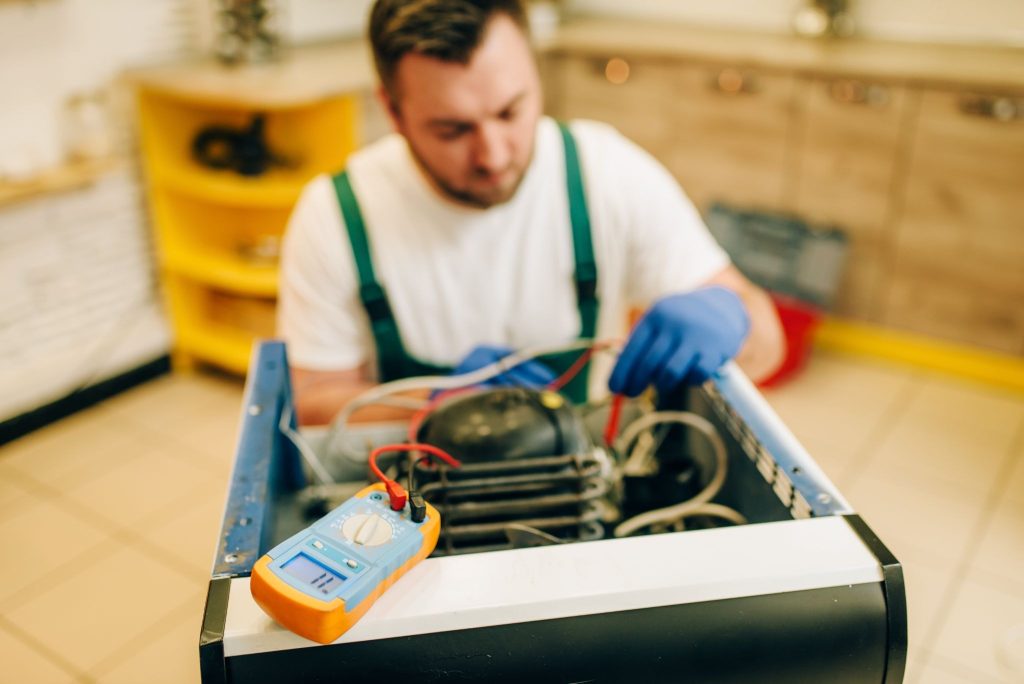

A furnace that fails in the middle of winter is not just an inconvenience. It is a health risk, a potential safety hazard, and an expensive emergency that almost always traces back to maintenance that was deferred or skipped entirely. HVAC technicians respond to winter breakdown calls with a consistency that tells a clear story: the majority of furnace failures are preventable. The parts that fail, the components that crack, the systems that shut down on the coldest night of the year, almost all show signs of neglect that preceded the failure by months.
Furnace maintenance is both a safety imperative and a financial one. It affects system longevity, energy efficiency, and in most cases, warranty validity. This guide covers the key tasks homeowners need to know, what they can do themselves, and what requires professional service that no amount of DIY attention can replace.
Why Furnace Maintenance Is Non-Negotiable
Carbon monoxide is the reason furnace maintenance is a safety issue rather than simply a mechanical one. A cracked heat exchanger, a blocked flue system, or a malfunctioning combustion air supply can introduce CO into living spaces without any visible indication that anything is wrong. CO is colorless, odorless, and at elevated concentrations, lethal. It is also entirely preventable through the annual professional service that addresses the components most likely to produce it.
The financial case is equally direct. Emergency HVAC service calls in cold weather cost two to three times the rate of scheduled maintenance visits. Parts that fail under emergency conditions often require expedited sourcing that adds further cost. A furnace that is replaced at fifteen years because deferred maintenance accelerated component failure costs tens of thousands of dollars that proper maintenance would have extended by five to ten years in most cases. Most furnace manufacturer warranties require documented annual professional maintenance. In the absence of maintenance records, warranty claims for component failures are routinely denied.
Filter Maintenance: The Highest-Impact DIY Task
Understanding Filter Ratings and Selection
MERV ratings measure filter efficiency from one to sixteen, with higher numbers capturing finer particles. A MERV 8 filter handles standard residential dust and allergen loads adequately. A MERV 13 filter captures fine particulate matter and smaller allergens that MERV 8 misses, which matters significantly for households with allergy or asthma sufferers. The temptation to install the highest available MERV filter without confirming system compatibility creates a problem that many homeowners do not connect to the filter: restricted airflow increases static pressure in the system, which forces the furnace to work harder, raises operating temperatures, and, over time, stresses the heat exchanger.
Before upgrading filter grade, check the furnace manufacturer’s specifications for maximum allowable filter resistance. If upgrading to MERV 13 or higher, confirm with an HVAC professional that your system can accommodate the increased static pressure. The air quality benefit of a higher-rated filter is meaningless if it is damaging the system it is supposed to protect.
Filter Replacement Schedule and Technique
Standard MERV 8 filters in typical residential conditions should be replaced every 60 to 90 days. High-MERV filters in the 13 to 16 range load more quickly due to their finer filtration and require replacement every 30 to 60 days. These intervals compress further for households with pets, during renovation work that generates elevated airborne dust, or in periods of high occupancy.
Correct installation matters as much as replacement frequency. Every filter has an airflow direction indicator printed on the frame. Installing a filter backward allows unfiltered air to bypass the filtration media and enter the system, which defeats the entire purpose of the filter while creating the false reassurance that filtration is occurring. Check the arrow on the filter frame and confirm it points toward the furnace blower, not away from it.
Venting, Flue, and Combustion Air Systems
Flue and Vent Inspection
The flue system exhausts combustion gases from the furnace to the exterior. Its integrity is directly connected to carbon monoxide safety because any breach, a disconnected section, a corroded joint, or a blocked termination, allows combustion gases to enter the building rather than exit it. Homeowners can perform meaningful visual inspection of accessible flue components without professional tools.
Look for corrosion on metal flue sections, particularly at joints and elbows where moisture accumulates. Check for disconnected sections that may have separated from vibration or physical contact. Inspect the exterior termination point for blockages: bird nests, ice damming in cold climates, or debris accumulation that restricts exhaust flow. A properly operating gas furnace should produce a blue flame with a small yellow tip. Yellow or orange flames, soot accumulation near the furnace cabinet, or unusual odors during heating cycles are indicators of combustion problems that warrant immediate professional attention.
Combustion Air and Intake Inspection
Modern high-efficiency furnaces draw combustion air from outside through a dedicated PVC intake pipe rather than from the building interior. This intake requires seasonal inspection because its exterior termination is vulnerable to blockage from snow accumulation, ice formation, bird activity, and landscaping growth that can develop over a season.
A blocked combustion air intake forces the furnace to draw air from the building interior, which can create negative pressure conditions that interfere with other combustion appliances, water heaters, and fireplaces sharing the same air supply. In sealed combustion systems, a blocked intake triggers safety controls that shut the furnace down entirely. Inspect both the intake and exhaust terminations at the start of each heating season and after significant weather events.
Burner and Heat Exchanger: The Core of Annual Professional Service
Burner Inspection and Cleaning
Burner inspection and adjustment require combustion analysis equipment that produces objective measurements of combustion quality. Visual inspection alone, even by an experienced eye, cannot confirm that combustion is occurring at the efficiency and completeness that both performance and safety require. An HVAC technician performing annual service uses a combustion analyzer to measure flue gas composition, confirming that fuel is burning completely and that CO production is within acceptable limits.
Dirty or misaligned burners produce incomplete combustion that reduces efficiency and increases CO output simultaneously. The cleaning and adjustment that corrects this is straightforward professional work that produces immediate, measurable improvements in both safety and fuel consumption. It is not something homeowners can replicate with cleaning tools and a visual check.
Heat Exchanger Integrity
The heat exchanger is the component that separates combustion gases from the air that circulates through the building. It is the most critical safety component in a gas furnace. Cracks develop through the thermal cycling stress of repeated heating and cooling across years of operation, accelerated by the heat exchanger temperatures that restricted airflow produces. A cracked heat exchanger allows combustion gases, including CO, to enter the air distribution system.
Detection requires professional equipment. Combustion gas analyzers can detect trace gases in the air stream that indicate heat exchanger compromise before the crack is large enough for visual identification. Borescope cameras provide visual inspection of internal heat exchanger surfaces that are not accessible for direct examination. Neither tool is available to homeowners, which is the most straightforward reason why annual professional furnace service is non-negotiable rather than optional.
Blower Motor and Belt Maintenance
The blower motor circulates conditioned air from the furnace through the duct system and across the building. Its condition affects both heating performance and the furnace’s ability to maintain safe operating temperatures. A blower that moves insufficient air due to motor wear or dust accumulation on the blower wheel allows heat exchanger temperatures to rise above design limits.
Homeowners can inspect accessible blower components for visible dust accumulation on blower wheel blades. Significant accumulation reduces airflow by the same mechanism as a loaded filter and warrants professional cleaning. Belt-driven blower systems, common in older furnaces, require belt inspection for cracking, fraying, and tension that has loosened over time. A loose or worn belt slips under load, reducing blower speed and airflow without triggering any fault indication in the furnace controls.
Thermostat, Controls, and Safety Device Verification
A thermostat reading inaccurately by three to five degrees produces comfort problems and efficiency losses that homeowners consistently attribute to the furnace rather than the control system. Testing thermostat accuracy with an independent thermometer and confirming that the heating system responds promptly to set point changes is a simple DIY verification that occasionally reveals the source of comfort complaints that would otherwise prompt unnecessary service calls.
The flame sensor is a component that generates more furnace service calls than almost any other single part. It is a metal rod that confirms the presence of a flame after the ignition sequence. When coated with oxidation from normal combustion, it produces a weak signal that the furnace control board interprets as a failed ignition attempt, triggering shutdown and retry cycling that appears as a furnace that starts briefly and then stops. Flame sensor cleaning is a straightforward professional task during annual service that prevents this extremely common service call scenario.
FAQs
How often should homeowners schedule professional furnace maintenance to keep the system running safely?
Annual professional service is the minimum standard. Schedule in late summer or early autumn before heating season demand reduces technician availability and increases service call costs.
What MERV filter rating should homeowners choose for a residential furnace without restricting airflow?
MERV 8 suits most households. MERV 11 to 13 suits allergy or asthma households but requires system compatibility confirmation. Always check manufacturer specifications before upgrading filter grade.
What are the warning signs that a furnace heat exchanger may be cracked and needs professional inspection?
Yellow or orange burner flames, soot near the furnace cabinet, unusual odors during heating cycles, or CO detector alerts all warrant immediate professional heat exchanger inspection.
Can homeowners clean furnace burners themselves or does this always require a professional technician?
Burner cleaning requires combustion analysis equipment to confirm safe and complete combustion. Visual cleaning without measurement does not confirm safety. This task requires qualified professional service.
How does a dirty furnace filter cause heat exchanger damage and what is the mechanism involved?
A loaded filter restricts airflow, raising heat exchanger temperatures above design limits. Repeated thermal stress from elevated temperatures causes metal fatigue and cracking over time.