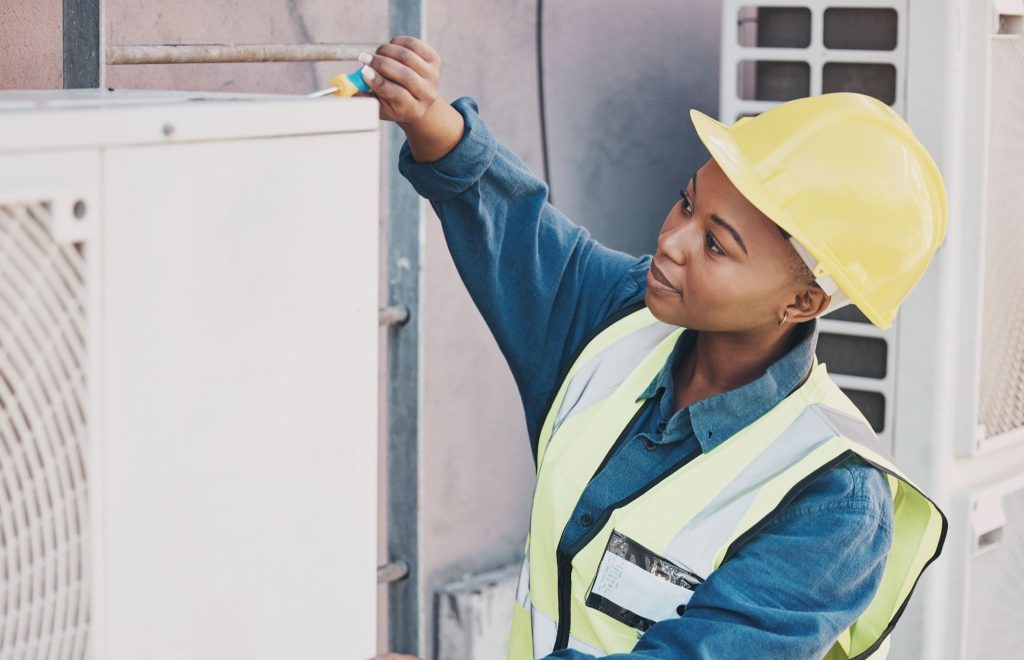

Homeowners rely on HVAC systems to maintain comfort year-round. Heating in winter and cooling in summer are essential, yet these systems are often overlooked until a problem arises. Neglecting regular maintenance can lead to inefficient operation, higher energy bills, and costly repairs. Proactive care ensures your system operates safely, efficiently, and reliably.
This guide explores the most effective HVAC maintenance tips for homeowners. We’ll cover routine tasks, seasonal adjustments, professional services, energy-saving strategies, and common problems you can prevent. Following these practices protects your investment and improves comfort throughout your home.
Understanding Your HVAC System
Before performing maintenance, it’s important to understand how your system works. HVAC systems include heating, ventilation, and air conditioning components, which work together to control temperature, airflow, and indoor air quality.
Heating, Ventilation, and Air Conditioning Basics
Heating systems, such as furnaces or heat pumps, warm the home, while air conditioners and cooling units reduce temperatures in summer. Ventilation ensures air circulates properly, removing stale air and delivering fresh air from outside. Filters, vents, and thermostats control the efficiency and effectiveness of the system.
Common HVAC System Types
Central air systems, split units, furnaces, and heat pumps are the most common household systems. Each type requires specific maintenance, such as cleaning coils for air conditioners or inspecting burners in furnaces. Understanding your system type helps identify the right maintenance approach.
Routine HVAC Maintenance Tasks
Many tasks homeowners can perform themselves help maintain efficiency and comfort.
Filter Replacement
Air filters prevent dust, pollen, and debris from circulating through the home. Replacing filters every 1–3 months, depending on usage, improves indoor air quality and reduces strain on the system. High-efficiency filters may require more frequent monitoring, but they provide cleaner air and better protection for your HVAC components.
Cleaning and Inspecting Vents and Ducts
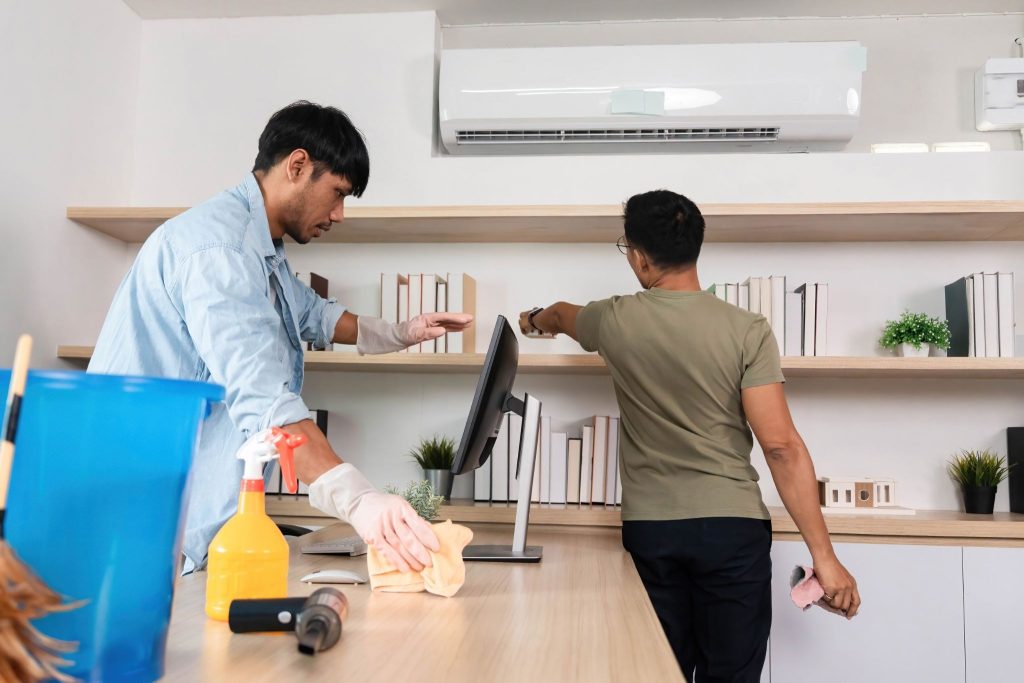
Blocked or dusty vents reduce airflow and efficiency. Periodically clean supply and return vents, remove debris, and ensure furniture or objects don’t obstruct airflow. For visible ducts, remove dust with a vacuum or soft brush. Clean vents improve airflow, help maintain consistent temperatures, and reduce wear on the system.
Checking Thermostat Settings
Ensure thermostats are correctly calibrated and programmed for seasonal changes. Smart thermostats provide energy savings by automatically adjusting temperatures based on occupancy and daily schedules. Regularly reviewing settings prevents unnecessary energy use and improves comfort.
Seasonal Maintenance Tips
HVAC systems require adjustments as the seasons change to operate optimally.
Preparing for Summer Cooling
Before summer, clean condenser coils, check refrigerant levels, and clear debris around outdoor units. Ensure fans and airflow are unobstructed. These steps prevent mid-summer breakdowns, improve cooling efficiency, and reduce energy consumption.
Preparing for Winter Heating
Inspect furnaces, check pilot lights, and test heating efficiency before winter sets in. Clean vents, replace filters, and examine ductwork for leaks. A well-prepared system ensures consistent heating, avoids emergency repairs, and maintains indoor comfort during cold months.
Professional HVAC Maintenance Services
While homeowners can manage routine tasks, professional inspections ensure the system is operating safely and efficiently.
Annual System Inspection
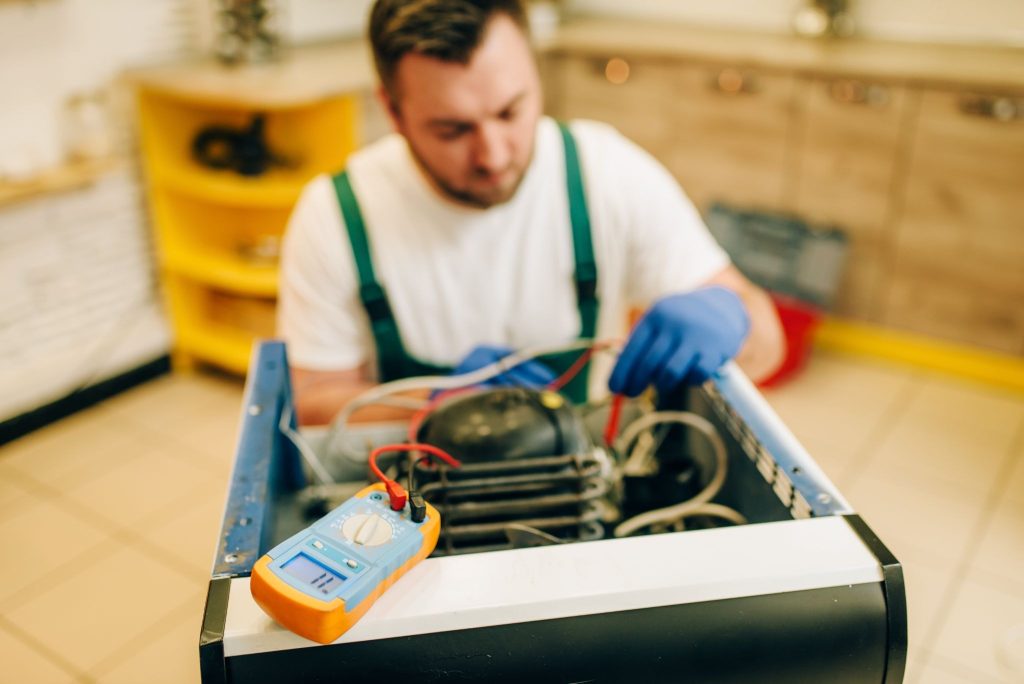
Certified HVAC technicians perform comprehensive inspections, including ductwork, motors, electrical components, and refrigerant levels. They identify potential issues early, preventing expensive repairs and ensuring system longevity. Annual inspections also verify the system meets safety standards and operates efficiently.
Repairs vs. Preventive Maintenance
Routine maintenance reduces the likelihood of emergency repairs. A professional can address small problems before they escalate, saving time, money, and stress. Preventive maintenance is an investment that prolongs the system’s life and improves performance year-round.
Energy Efficiency and Cost-Saving Tips
Proper maintenance directly impacts energy bills and environmental footprint.
Sealing Leaks and Insulating Ducts
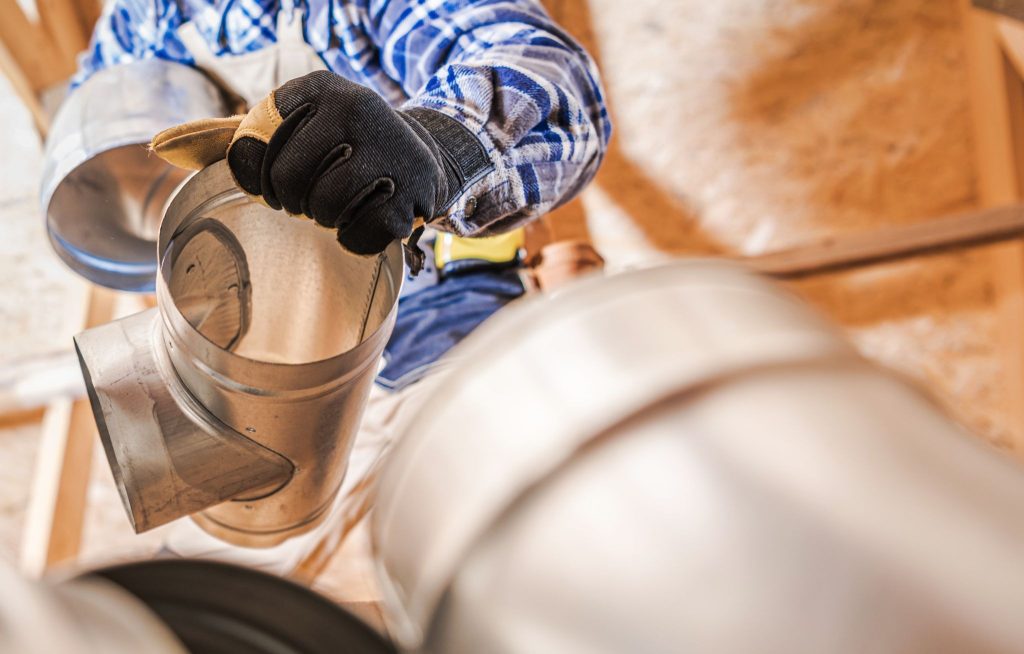
Leaky or poorly insulated ducts waste energy by allowing air to escape before it reaches living spaces. Inspect ducts for gaps, and consider professional sealing or adding insulation. Properly sealed ducts improve airflow, maintain consistent temperatures, and reduce heating and cooling costs.
Upgrading Components Strategically
Replacing outdated filters, thermostats, or motors can enhance efficiency without requiring a full system replacement. High-efficiency components lower energy usage, improve performance, and provide long-term savings. Consider upgrades that are compatible with your existing system for maximum benefit.
Common HVAC Problems Homeowners Can Prevent
Many common HVAC issues are avoidable with proactive maintenance.
-
Reduced airflow: Dirty filters, blocked vents, and obstructed ducts restrict airflow. Regular cleaning prevents this issue.
-
System overheating: Neglected components can cause the system to overheat, leading to shutdowns or costly repairs.
-
Uneven heating or cooling: Imbalanced ducts or misaligned thermostats can create hotspots or cold zones. Proper adjustments and inspections resolve these problems.
Addressing minor issues early ensures efficiency, prevents breakdowns, and extends system life.
Safety and Operational Checks
Safety is a critical component of HVAC maintenance.
-
Check electrical connections for frayed wires or loose terminals.
-
Ensure outdoor units are free from debris, plants, or obstructions.
-
Test carbon monoxide detectors if using gas furnaces.
-
Verify that system condensate drains are clear to prevent water damage.
Safety checks prevent hazards, maintain operational reliability, and protect your household.
Long-Term Maintenance Strategy
Creating a regular maintenance schedule maximizes efficiency and system longevity.
-
Monthly: Inspect filters and clean visible vents.
-
Quarterly: Check thermostat settings and airflow.
-
Biannually: Clean coils and inspect ductwork.
-
Annually: Schedule professional inspection and preventive maintenance.
Combining DIY care with professional services ensures consistent performance, reduces repair costs, and improves indoor comfort year-round.
Conclusion
Regular HVAC maintenance is essential for homeowners seeking comfort, efficiency, and reliability. Simple tasks such as replacing filters, cleaning vents, and adjusting thermostats can prevent costly problems and improve indoor air quality. Seasonal preparation ensures your system operates optimally throughout the year, while professional inspections catch issues that might otherwise go unnoticed.
Implementing these HVAC maintenance tips saves energy, reduces utility bills, and extends the lifespan of your system. Proactive maintenance also protects the safety of your household and ensures consistent comfort in all seasons. By combining routine care, seasonal adjustments, and professional support, homeowners can enjoy a well-functioning HVAC system for years to come.