
Indoor air quality is more than just a comfort issue—it’s a crucial component of health, productivity, and overall well-being. Whether in homes or offices, the air we breathe can carry dust, allergens, chemicals, and other pollutants that directly impact our respiratory system and energy levels. Poor air quality often goes unnoticed until it triggers allergy flare-ups, fatigue, or long-term health issues.
Understanding the main indoor air quality factors is essential for proactive management. From the sources of pollutants to ventilation, building design, and occupant behavior, multiple elements interact to determine the quality of indoor air. This guide explores these factors, offering practical advice for maintaining healthier living and working environments.
Sources of Indoor Air Pollution
Indoor air pollution stems from a combination of particulate matter, chemical emissions, and biological contaminants. Identifying these sources is the first step in improving air quality.
Particulate Matter and Dust
Dust, pollen, and fine particles accumulate naturally over time. These particles often settle in carpets, furniture, and air ducts before being recirculated through HVAC systems. Even homes with frequent cleaning can experience particle buildup. Prolonged exposure may trigger allergic reactions, respiratory irritation, and worsen conditions such as asthma.
Chemical Pollutants
Volatile organic compounds (VOCs) are emitted by paints, adhesives, cleaning products, furniture, and office equipment. Everyday activities like using printers or air fresheners contribute to chemical buildup indoors. High levels of VOCs can cause headaches, dizziness, and in some cases, long-term health effects. Selecting low-emission products and ensuring proper ventilation helps minimize exposure.
Biological Contaminants
Mold, bacteria, viruses, and pet dander are significant contributors to poor indoor air quality. Moisture-prone areas, such as bathrooms or poorly ventilated kitchens, create ideal conditions for microbial growth. Regular inspections and proper moisture control are key to preventing biological contaminants from affecting occupant health.
Ventilation and Airflow Factors
Proper airflow and ventilation are critical in controlling pollutant concentrations indoors. Without sufficient air exchange, contaminants accumulate and impact comfort and health.
Natural Ventilation vs. Mechanical Systems
Natural ventilation through open windows or vents allows fresh air to dilute indoor pollutants. However, outdoor air quality can influence its effectiveness. Mechanical systems, such as HVAC units, provide controlled airflow and often include filters that capture dust and particulate matter. Combining both approaches, where possible, ensures consistent air circulation while limiting exposure to outdoor pollutants.
HVAC System Design and Maintenance
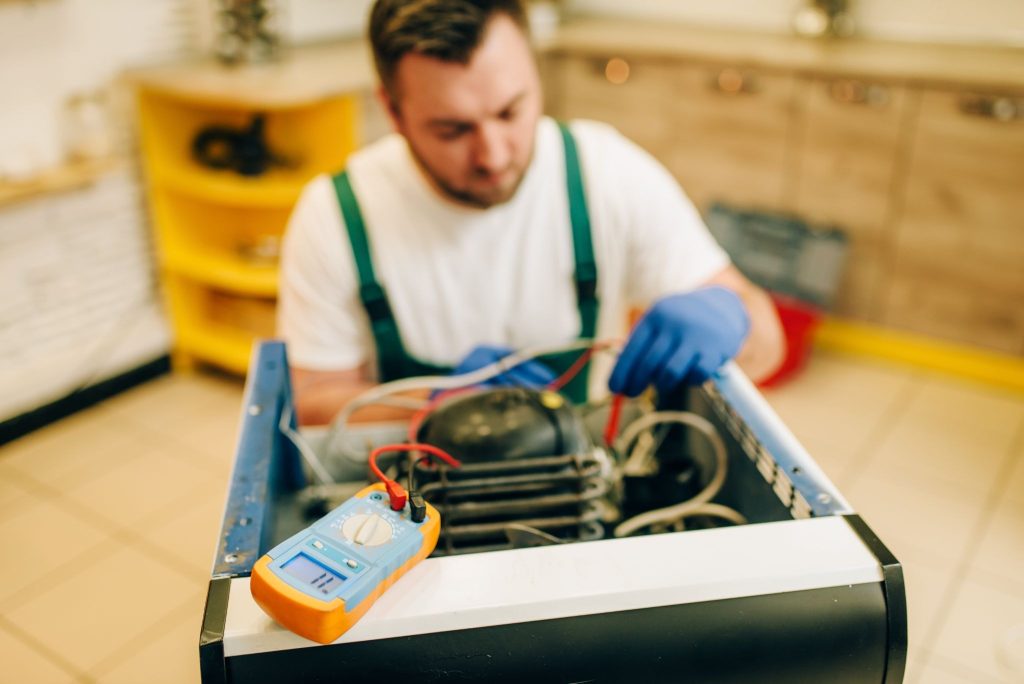
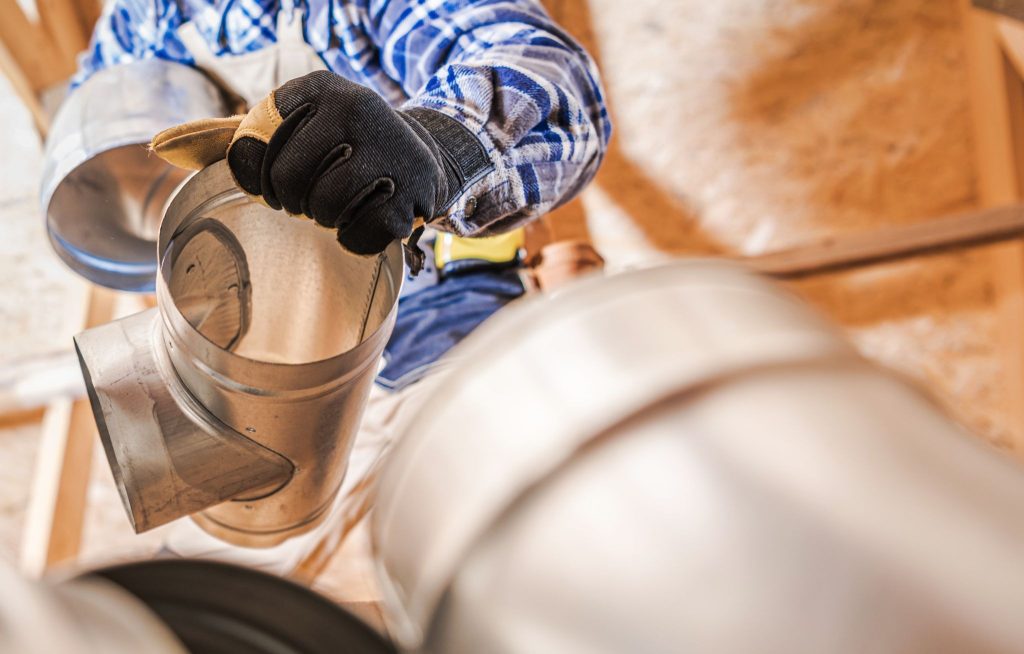
Air quality depends heavily on HVAC system design, filtration, and maintenance. Clogged filters, dirty ducts, or poorly designed systems reduce airflow and increase pollutant exposure. Regular inspection and filter replacement ensure the system works efficiently, providing clean air to all spaces. Well-maintained HVAC systems also reduce energy consumption and prevent uneven heating or cooling.
Occupant Behavior and Lifestyle Influences
Everyday actions influence indoor air quality more than many homeowners or office managers realize.
Smoking and Use of Indoor Combustion Sources
Cigarettes, candles, fireplaces, and gas stoves emit particulate matter and harmful gases indoors. Even short-term exposure to smoke or combustion byproducts can worsen respiratory conditions and reduce indoor air quality. Limiting or eliminating these sources is essential for healthy indoor environments.
Cleaning Practices and Product Choices
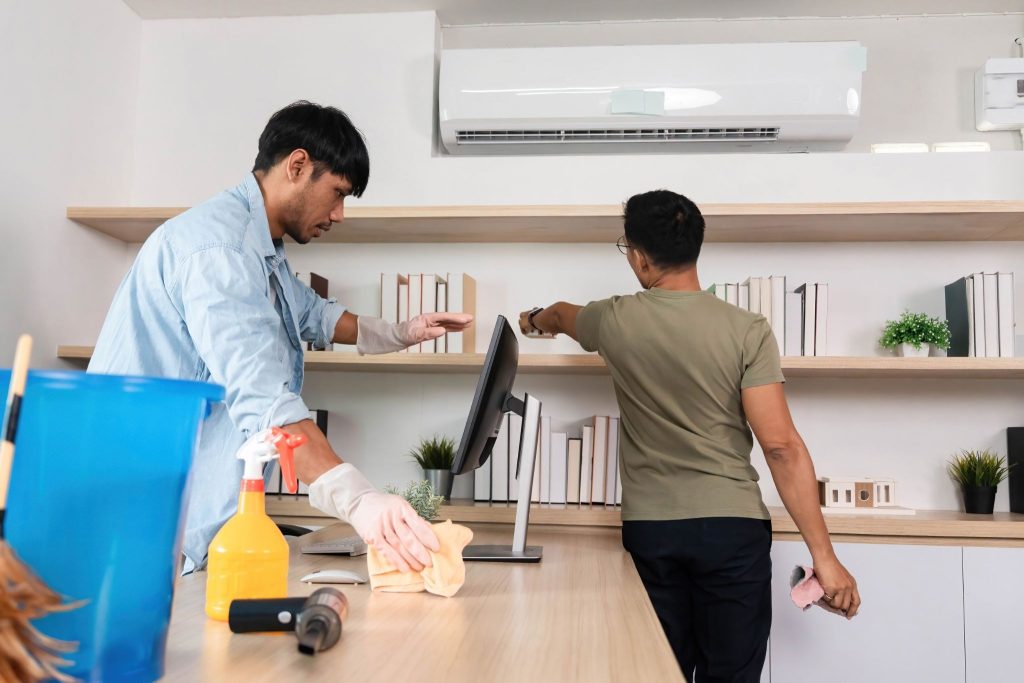
The choice of cleaning products significantly affects indoor air quality. Overuse of strong chemical cleaners can release VOCs, while inadequate dust removal allows particles to accumulate. Using eco-friendly products and adopting regular cleaning routines maintains a healthier environment. Vacuuming with HEPA filters and dusting high-traffic areas reduces particle circulation.
Personal Items and Furnishings
Furniture, carpets, and decorative materials can emit VOCs or trap dust. Carpets and heavy drapes, for example, often harbor dust mites. Choosing low-emission materials and maintaining regular cleaning schedules helps minimize pollutants. Additionally, ventilating newly installed furniture or flooring can reduce initial chemical emissions.
Environmental and Structural Factors
The design of a building and its surroundings directly influence indoor air quality.
Humidity and Moisture Levels
Maintaining ideal humidity levels—typically between 30% and 50%—prevents mold and dust mite growth. High humidity promotes microbial contamination, while extremely low humidity dries out mucous membranes and irritates the respiratory system. Humidifiers, dehumidifiers, and HVAC moisture controls help maintain optimal indoor humidity.
Temperature and Seasonal Changes
Temperature affects how air moves through spaces and how pollutants behave. Warm air can hold more moisture, increasing the risk of mold growth, while cold air may trap dust particles in circulation. Seasonal HVAC adjustments and consistent temperature control ensure both comfort and better air quality.
Proximity to Outdoor Pollution Sources
The environment around a building also matters. Residences or offices near busy roads, industrial zones, or pollen-heavy areas can experience higher pollutant infiltration. Proper sealing, air filtration, and strategic window use help minimize outdoor pollution impact on indoor air.
Monitoring and Improving Indoor Air Quality
Proactive monitoring and maintenance are essential to sustaining healthy indoor air.
Air Quality Monitoring Tools
Sensors and smart devices provide real-time data on particulate levels, humidity, and VOC concentrations. These tools allow occupants to respond promptly to changes in air quality and ensure that ventilation and filtration systems are functioning correctly.
Filtration and Air Purification Methods
HEPA filters, activated carbon units, and standalone air purifiers capture dust, allergens, and chemicals. Selecting devices based on room size and pollutant type enhances effectiveness. Regular filter replacement and system maintenance are necessary to maintain consistent air quality improvement.
Behavioral Adjustments for Better IAQ
Simple lifestyle adjustments, such as reducing the use of chemical products, ventilating spaces regularly, and keeping humidity in check, make a substantial difference. Combining behavioral strategies with technological solutions ensures long-term benefits for both homes and offices.
Health Implications of Poor Indoor Air Quality
Neglecting indoor air quality can lead to short-term discomfort and long-term health consequences. Poor air can trigger headaches, fatigue, eye irritation, and exacerbate respiratory conditions like asthma and bronchitis. In offices, low air quality reduces productivity and increases sick leave rates.
Understanding and controlling indoor air quality factors not only protects physical health but also improves mental well-being, focus, and overall satisfaction with indoor environments.
Conclusion
Indoor air quality is shaped by multiple factors—pollutants, ventilation, occupant behavior, and environmental conditions all play a role. Homes and offices with poor air circulation, high humidity, or unchecked contaminants can create health risks and reduce comfort.
By understanding and monitoring these indoor air quality factors, occupants can take practical steps to improve their environment. Proper ventilation, HVAC maintenance, careful selection of cleaning products, and mindful lifestyle choices combine to create healthier spaces. Proactive measures not only protect health but also enhance comfort, productivity, and long-term building efficiency.
Investing time and attention into indoor air quality is a small commitment with substantial returns in well-being, energy efficiency, and overall satisfaction.