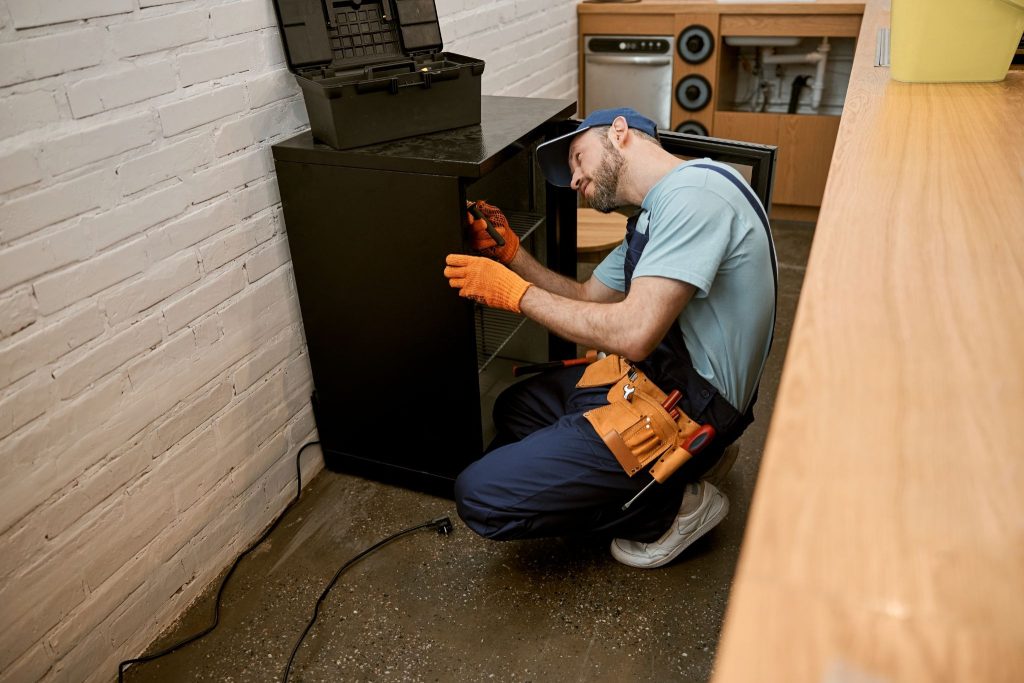

Furnace maintenance refers to a series of inspections, cleaning procedures, and performance checks designed to keep heating systems operating safely and efficiently. During routine servicing, technicians examine key components such as burners, heat exchangers, electrical connections, filters, and airflow systems. Each of these components plays a vital role in the furnace’s ability to generate and distribute heat throughout the home. Without proper maintenance, furnaces gradually accumulate dust and debris inside internal components. This buildup can interfere with airflow and reduce combustion efficiency. Over time, restricted airflow forces the system to work harder, placing additional stress on motors and mechanical parts. This extra strain can shorten the lifespan of the equipment and increase the risk of unexpected breakdowns. Safety is another critical reason why maintenance is essential. Furnaces that burn natural gas or other fuels rely on precise combustion processes to operate safely. If burners become dirty or heat exchangers develop cracks, dangerous gases such as carbon monoxide could potentially leak into the home. Professional inspections help detect these issues early and ensure that the system operates safely throughout the heating season. Regular servicing also improves indoor comfort and ensures consistent airflow throughout the house, which prevents temperature fluctuations and improves heating reliability during extreme winter weather conditions.
Recommended Furnace Maintenance Frequency for Most Homes
Annual Furnace Servicing Explained
Most HVAC professionals recommend scheduling furnace maintenance once a year, ideally before the start of the winter heating season. This annual inspection ensures that the system is fully prepared to handle the increased workload that occurs during colder months. By performing maintenance before temperatures drop, technicians can identify and correct potential problems before the furnace operates continuously. Annual maintenance visits typically include cleaning internal components, checking electrical connections, inspecting burners, and ensuring proper airflow. Technicians also test safety systems such as carbon monoxide detectors and limit switches to verify that the furnace operates safely. These preventive measures reduce the risk of breakdowns when the system is needed most. In some households, more frequent inspections may be beneficial. Homes with older furnaces, heavy heating demands, or high indoor dust levels may require additional maintenance checks. For example, homeowners with pets often experience faster dust accumulation in air filters and ducts, which can affect furnace efficiency. Environmental conditions also influence maintenance needs. Houses located in colder climates may run their furnaces for longer periods each year, increasing wear on mechanical components. In these cases, homeowners may choose to schedule mid-season inspections to ensure the system continues operating efficiently and safely throughout long heating periods.
Signs That Your Furnace Needs Immediate Maintenance
Warning Signals Homeowners Should Never Ignore
Even when homeowners follow a regular maintenance schedule, certain warning signs indicate that a furnace may need immediate attention. Recognizing these signs early can prevent more serious mechanical issues and ensure the heating system remains safe to operate. One of the most common warning signs is unusual noise coming from the furnace. Banging, rattling, or squealing sounds may indicate loose components, worn belts, or motor issues. These sounds often appear before major mechanical failures occur, making early inspection essential. Another common indicator is uneven heating throughout the home. If some rooms remain cold while others become excessively warm, the furnace may be experiencing airflow problems or thermostat malfunctions. Reduced airflow can also signal clogged filters or blocked vents. An unexplained increase in heating bills is another potential sign of furnace inefficiency. When systems struggle to maintain the desired temperature, they consume more energy. This increased energy use often results from dirty components or restricted airflow inside the system. Homeowners may also notice frequent furnace cycling, where the system turns on and off repeatedly within short periods. Addressing these issues quickly helps prevent long-term damage and ensures that the furnace continues operating efficiently during colder months.
The Role of Furnace Filters in Maintenance
How Filters Protect the Furnace System
Air filters are one of the most important components in maintaining furnace performance. These filters capture dust, pollen, and airborne particles before they enter the heating system. By trapping contaminants, filters protect sensitive components such as blower motors and heat exchangers. However, filters gradually become clogged as they collect debris. When this happens, airflow through the furnace becomes restricted. The system must then work harder to push air through the ducts, increasing energy consumption and mechanical strain. Over time, restricted airflow can lead to overheating or premature component failure. Experts generally recommend checking furnace filters every one to three months during the heating season. Homes with pets or higher dust levels may require more frequent replacements. Clean filters allow the furnace to operate efficiently while maintaining healthy indoor air quality. Regular filter replacement also supports proper furnace maintenance frequency by reducing strain on internal components. When filters remain clean, airflow stays consistent and the furnace operates within its optimal performance range while also improving the overall efficiency of the home’s heating system.
How Maintenance Improves Furnace Energy Efficiency
The Connection Between Maintenance and Lower Energy Bills
Energy efficiency is one of the most noticeable benefits of routine furnace maintenance. When heating systems operate efficiently, they require less fuel or electricity to maintain comfortable indoor temperatures. This efficiency not only lowers utility bills but also reduces environmental impact. Dirty burners, clogged filters, and restricted airflow all contribute to reduced furnace efficiency. When these issues are corrected during maintenance visits, the system can operate more effectively. Technicians also calibrate thermostats and inspect airflow systems to ensure heat distribution remains balanced throughout the home. Energy efficiency research shows that well-maintained heating systems can use significantly less energy than neglected systems. Even small improvements in efficiency can produce noticeable savings over the course of an entire winter. Maintaining the recommended furnace maintenance frequency ensures that heating systems continue operating at peak efficiency year after year. This proactive approach benefits both homeowners and the environment by reducing energy waste, lowering heating costs, and maintaining consistent indoor comfort.
Real-Life Example: Preventing a Winter Furnace Breakdown
A Homeowner’s Experience With Preventive Maintenance
A homeowner in Minnesota learned the value of regular furnace maintenance after experiencing a near breakdown during winter. The furnace had been operating normally, but the homeowner scheduled an annual inspection before the heating season began. During the inspection, the technician discovered a small crack forming in the heat exchanger. Although the furnace was still functioning, the crack could have allowed carbon monoxide to leak into the home if it expanded further. The technician recommended replacing the damaged component before winter temperatures dropped. By addressing the issue early, the homeowner avoided a dangerous situation and prevented a costly emergency repair during the coldest part of the year. This example highlights the importance of maintaining the correct furnace maintenance frequency. Routine inspections often reveal hidden issues that would otherwise remain unnoticed until they cause serious problems. Preventive maintenance allows technicians to identify potential safety risks and resolve them before they affect system reliability or household comfort during freezing weather conditions.
What Happens During a Professional Furnace Maintenance Visit
Key Steps Technicians Perform During Servicing
A professional furnace maintenance visit involves a detailed inspection and servicing of the heating system. Technicians begin by examining the furnace’s internal components, including burners, ignition systems, and heat exchangers. These parts must function properly to ensure safe and efficient combustion. Next, technicians inspect electrical connections and control systems. Loose wiring or faulty connections can interfere with furnace operation and create safety risks. By tightening connections and testing electrical components, technicians ensure that the system runs reliably. Cleaning is another essential part of the maintenance process. Dust and debris are removed from internal components to restore proper airflow and heat transfer. Technicians also check blower motors and fans to ensure they operate smoothly. Finally, safety checks are performed to verify that the furnace operates safely. This includes testing carbon monoxide levels, inspecting ventilation systems, and confirming that safety switches function correctly. After completing the inspection, technicians provide homeowners with a detailed report outlining the system’s condition and recommendations for improving performance and preventing future issues.
How Furnace Maintenance Extends System Lifespan
Preventing Wear and Tear on Critical Components
Furnaces are built to last between fifteen and twenty years, but their actual lifespan depends heavily on how well they are maintained. Systems that receive regular servicing tend to operate reliably for longer periods because their components experience less stress. Routine maintenance reduces wear on critical parts such as motors, burners, and heat exchangers. By keeping these components clean and properly adjusted, technicians help the furnace operate within its designed performance range. This reduces the risk of overheating or mechanical failure. When homeowners follow the recommended furnace maintenance frequency, they protect their heating system from preventable damage. Over time, this proactive care can add several years to the furnace’s operational lifespan while reducing the need for expensive repairs. In addition to improving longevity, maintenance also ensures that heating systems maintain stable performance and consistent heating output throughout many winter seasons.
Conclusion: Why Furnace Maintenance Should Never Be Ignored
Furnace maintenance plays a critical role in ensuring reliable heating, energy efficiency, and home safety. While many homeowners only think about their heating system when problems arise, proactive maintenance prevents these issues before they occur. Annual inspections allow technicians to detect early warning signs, clean essential components, and verify that the furnace operates safely. This preventive care reduces the risk of winter breakdowns and helps homeowners maintain comfortable indoor temperatures throughout the heating season. Maintaining the proper furnace maintenance frequency also protects the long-term value of the heating system. By keeping the furnace in optimal condition, homeowners can extend its lifespan, reduce energy costs, and avoid costly emergency repairs. Ultimately, regular furnace maintenance is a small investment that delivers significant long-term benefits. For homeowners seeking reliable heating and peace of mind during the coldest months of the year, routine servicing remains one of the smartest decisions they can make.