
Heating and cooling costs make up a large portion of household energy expenses. In many homes, HVAC systems account for nearly half of total energy use. Because of this, even small improvements in system efficiency can significantly reduce monthly utility bills. Many homeowners assume that lowering energy costs requires expensive upgrades or replacing their entire heating and cooling system. In reality, the most effective HVAC efficiency tips often involve simple habits, smart maintenance, and small improvements that help systems operate more efficiently.
A well-maintained HVAC system does more than reduce energy consumption. It improves indoor comfort, enhances air quality, and extends the lifespan of heating and cooling equipment. When a system runs efficiently, it distributes air evenly throughout the home and maintains consistent temperatures without overworking the equipment. This balance reduces mechanical stress and prevents unnecessary wear on important components.
Energy experts often explain that HVAC efficiency is not just about the equipment itself. The condition of air ducts, insulation, thermostat settings, and airflow all influence how efficiently a heating and cooling system performs. By understanding how these elements work together, homeowners can make smarter decisions about improving efficiency and lowering energy costs.
This guide explores the most effective HVAC efficiency tips that can help homeowners reduce energy bills while maintaining a comfortable indoor environment. From simple maintenance routines to smart technology upgrades, these strategies are backed by expert recommendations and real-world results.
Why HVAC Efficiency Matters for Home Energy Costs
Heating and cooling systems consume more energy than most other household appliances. According to energy efficiency research from government and industry organizations, HVAC systems often represent 40 to 50 percent of residential energy use. When systems operate inefficiently, energy consumption increases quickly, resulting in higher monthly bills.
An inefficient HVAC system typically works harder to achieve the desired indoor temperature. This additional workload causes compressors, motors, and fans to run longer cycles. As a result, the system consumes more electricity or fuel than necessary. Over time, this increased workload also leads to mechanical wear that shortens the lifespan of expensive components.
Improving HVAC efficiency helps systems reach the desired temperature faster and maintain it more consistently. When airflow is balanced and components operate smoothly, heating and cooling cycles become shorter and more efficient. This translates into noticeable energy savings.
Efficiency improvements also contribute to environmental sustainability. Reducing energy consumption lowers carbon emissions associated with electricity generation and fuel usage. For homeowners interested in reducing their environmental impact, improving HVAC efficiency is one of the most effective steps they can take.
The Importance of Regular HVAC Maintenance
Routine maintenance is one of the most reliable HVAC efficiency tips for reducing energy costs. When systems operate for long periods without maintenance, dust, debris, and mechanical wear gradually reduce performance. Small issues that go unnoticed can eventually lead to larger efficiency problems.
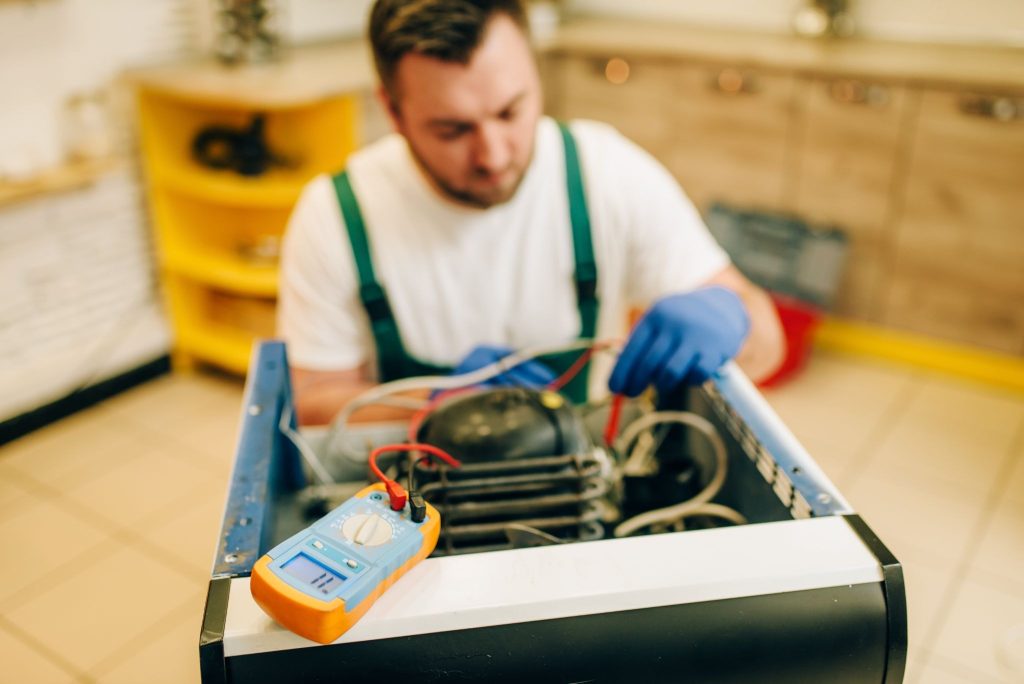
During a professional maintenance visit, technicians inspect and clean key components such as coils, blowers, and air filters. They also test electrical connections, refrigerant levels, and thermostat performance. These inspections help identify minor problems before they turn into expensive repairs.
Maintenance also improves airflow throughout the system. When air can move freely through ducts and vents, heating and cooling cycles operate more efficiently. Restricted airflow forces the HVAC system to work harder, which increases energy consumption and reduces overall efficiency.
Homeowners who schedule regular HVAC maintenance often notice immediate improvements in system performance. Rooms heat and cool more evenly, energy bills become more predictable, and the equipment operates more quietly.
How Clean Air Filters Improve HVAC Efficiency
Air filters play a critical role in maintaining HVAC efficiency. These filters capture dust, pollen, and airborne particles before they enter the system. While this protects internal components, filters gradually become clogged as they collect debris.
When a filter becomes dirty, airflow through the HVAC system becomes restricted. The blower motor must then work harder to circulate air throughout the home. This extra effort increases energy use and reduces overall efficiency.
Experts recommend checking HVAC air filters at least once a month, especially during seasons when heating or cooling systems run frequently. Replacing filters every one to three months ensures that airflow remains unobstructed.
Clean filters also improve indoor air quality by preventing dust and allergens from circulating through the home. This creates a healthier living environment while allowing the HVAC system to operate at its intended performance level.
Smart Thermostats and Energy Savings
Smart thermostats have become one of the most popular HVAC efficiency tips in recent years. These devices automatically adjust heating and cooling settings based on daily schedules and indoor temperature patterns.
Traditional thermostats require manual adjustments, which many homeowners forget to change when leaving home or going to sleep. Smart thermostats solve this problem by learning household routines and adjusting temperatures accordingly.
For example, a smart thermostat may reduce heating or cooling when the house is empty and restore comfortable temperatures shortly before residents return. This approach prevents energy waste while maintaining comfort.
Some smart thermostats also provide detailed energy usage reports. These insights help homeowners understand how their HVAC system operates and identify opportunities to reduce energy consumption.
Studies suggest that households using smart thermostats can reduce heating and cooling costs by up to 10 to 15 percent annually.
Sealing Air Leaks in Ductwork
Air duct systems distribute heated or cooled air throughout the home. However, leaks in ductwork can significantly reduce HVAC efficiency. When ducts develop gaps or cracks, conditioned air escapes before reaching living spaces.
Energy experts estimate that duct leaks can waste up to 30 percent of conditioned air in some homes. This lost air forces the HVAC system to run longer cycles to maintain the desired temperature.
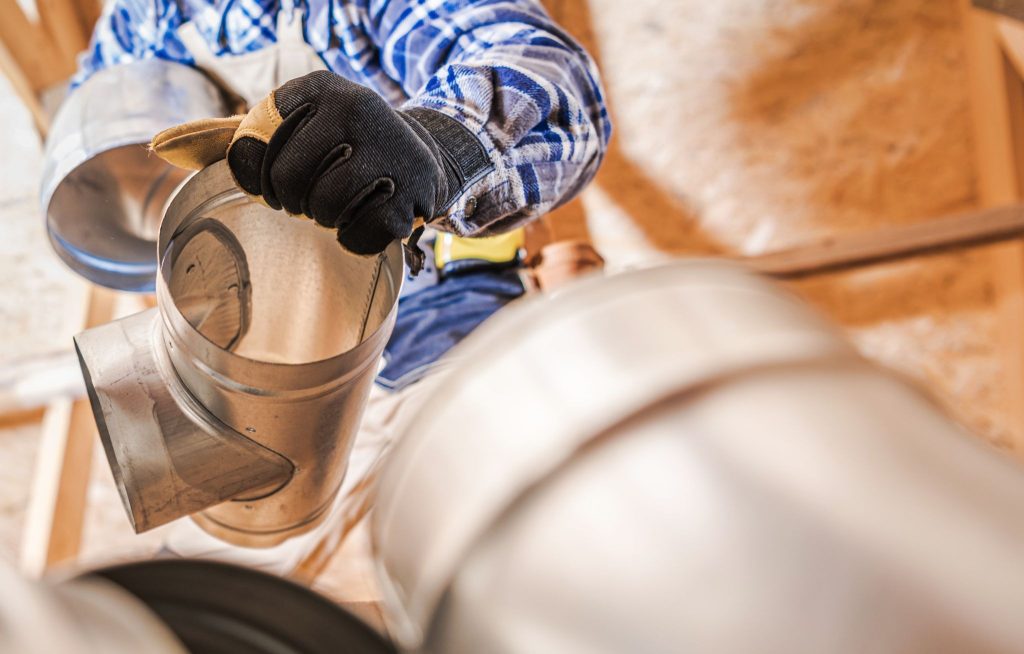
Sealing duct leaks helps ensure that heated or cooled air reaches its intended destination. Professional technicians often use specialized sealants or insulation materials to repair duct systems.
Improving duct efficiency not only lowers energy costs but also enhances indoor comfort by ensuring consistent airflow throughout the house.
Improving Home Insulation for HVAC Efficiency
Insulation plays a major role in maintaining indoor temperatures. When homes lack adequate insulation, heat easily escapes during winter and enters during summer. This forces HVAC systems to work harder to maintain comfortable conditions.
Upgrading insulation in attics, walls, and crawl spaces helps create a more stable indoor environment. When heat transfer is minimized, heating and cooling systems require less energy to maintain the desired temperature.
Homeowners often notice that well-insulated homes maintain comfortable temperatures longer even when the HVAC system is not actively running. This reduces system workload and lowers overall energy consumption.
Improved insulation also enhances indoor comfort by eliminating cold drafts and hot spots throughout the home.
Using Ceiling Fans to Support HVAC Efficiency
Ceiling fans are a surprisingly effective tool for improving HVAC efficiency. While fans do not change the temperature of a room, they help distribute air more evenly throughout the space.
During summer, ceiling fans create a cooling effect by moving air across the skin. This allows homeowners to raise thermostat settings slightly while maintaining comfort. Even a small temperature adjustment can reduce energy use.
In winter, many ceiling fans can rotate in the opposite direction to circulate warm air that collects near the ceiling. This helps distribute heat more evenly throughout the room.
By supporting natural airflow, ceiling fans reduce the workload placed on heating and cooling systems.
Upgrading to Energy-Efficient HVAC Equipment
Older HVAC systems often consume significantly more energy than modern high-efficiency models. Advances in technology have improved compressor performance, heat exchanger design, and airflow management.
When systems reach the end of their lifespan, replacing them with energy-efficient equipment can dramatically reduce energy consumption. Modern HVAC units are designed to meet higher efficiency standards and operate more reliably.
Although upgrading equipment requires an initial investment, the long-term energy savings often offset installation costs. Many homeowners also qualify for rebates or incentives when installing energy-efficient HVAC systems.
Choosing the correct system size and efficiency rating is essential to maximize performance and energy savings.
Real-Life Example of HVAC Efficiency Improvements
A homeowner in Colorado experienced rising energy bills despite maintaining a moderate thermostat setting. After scheduling a professional HVAC inspection, technicians discovered several efficiency issues. The home had a clogged air filter, minor duct leaks, and outdated insulation in the attic.
After replacing the filter, sealing the ducts, and upgrading insulation, the homeowner noticed immediate improvements. Heating cycles became shorter, indoor temperatures remained consistent, and energy bills decreased significantly during the following winter.
This real-life example demonstrates how combining several HVAC efficiency tips can produce noticeable results. Even simple changes can dramatically improve system performance and reduce energy costs.
Long-Term Benefits of Improving HVAC Efficiency
Improving HVAC efficiency provides benefits that extend far beyond lower energy bills. Efficient systems experience less mechanical stress, which reduces the likelihood of breakdowns and costly repairs.
Well-maintained systems also last longer. When components operate under optimal conditions, they experience less wear and maintain reliable performance for many years.
Another important benefit is improved indoor air quality. Clean filters, proper airflow, and balanced humidity levels create a healthier indoor environment.
For homeowners, these combined benefits make HVAC efficiency improvements a smart long-term investment.
Conclusion: Smart HVAC Efficiency Tips That Save Energy
Reducing energy bills does not always require major home renovations or expensive equipment replacements. Many of the most effective HVAC efficiency tips involve simple maintenance routines and small improvements that help heating and cooling systems operate more efficiently.
Regular maintenance, clean filters, sealed ductwork, and proper insulation all play an important role in improving system performance. Smart thermostats and airflow improvements can further enhance efficiency by ensuring that energy is used only when needed.
By following these strategies, homeowners can significantly reduce heating and cooling costs while maintaining comfortable indoor temperatures. Over time, these efficiency improvements extend the lifespan of HVAC equipment and create a healthier living environment.
Investing in HVAC efficiency is ultimately an investment in comfort, sustainability, and long-term energy savings.
FAQs
How often should HVAC systems be serviced for maximum efficiency?
Most experts recommend scheduling HVAC maintenance at least once a year. Ideally, homeowners should service air conditioning systems before summer and heating systems before winter. Regular inspections allow technicians to clean components, check refrigerant levels, and identify minor issues before they reduce efficiency or lead to expensive repairs.
Can smart thermostats really lower energy bills?
Yes, smart thermostats can significantly reduce energy costs by automatically adjusting temperatures based on daily schedules. These devices prevent heating or cooling when the home is empty and restore comfort before occupants return. Studies show that smart thermostat users often save between 10 and 15 percent annually on heating and cooling expenses.
Do HVAC upgrades always reduce energy consumption?
Upgrading to modern HVAC equipment often reduces energy consumption because newer systems use advanced technology designed for efficiency. High-efficiency compressors, improved airflow systems, and better insulation reduce energy waste. However, proper installation and system sizing are essential to achieve the expected efficiency improvements and long-term savings.