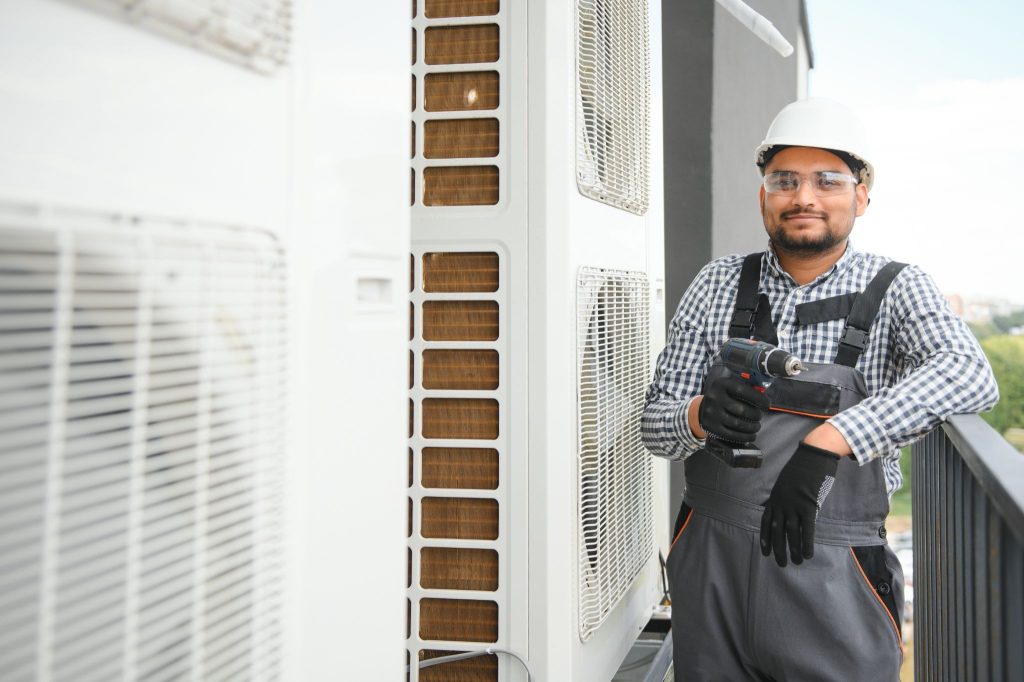

Heating, ventilation, and air conditioning systems are among the most essential systems in any home or commercial building. They keep indoor environments comfortable during extreme weather while also maintaining air quality and proper ventilation. However, many homeowners only think about their HVAC system when something stops working. By that time, the system may already be under serious strain. One of the most effective ways to protect your investment and ensure long-term performance is through consistent maintenance. Regular service checks, cleaning, and inspections can significantly increase the HVAC system lifespan, saving homeowners thousands of dollars in potential repairs or replacements.
Modern HVAC systems are designed to last between 15 and 25 years depending on usage, climate, and maintenance habits. Yet studies from energy efficiency organizations show that poorly maintained systems often fail much earlier. Dust buildup, clogged filters, worn components, and airflow restrictions can gradually damage the system over time. When small problems go unnoticed, they can lead to larger mechanical failures. Regular maintenance ensures that these issues are detected early and corrected before they cause serious damage.
Beyond extending equipment life, routine HVAC care also improves indoor comfort and energy efficiency. A properly maintained system distributes air evenly, maintains stable temperatures, and uses less electricity. This means lower energy bills and a healthier indoor environment. Understanding how maintenance supports system performance helps homeowners make smarter decisions about protecting the long-term reliability of their heating and cooling equipment.
Understanding the Typical HVAC System Lifespan
Before exploring how maintenance helps extend system longevity, it’s important to understand what determines the typical HVAC system lifespan. Most residential heating and cooling systems are built to last between 15 and 20 years. Some high-quality systems can function efficiently for up to 25 years when maintained properly. However, the actual lifespan often depends on several factors including system quality, installation accuracy, environmental conditions, and daily usage patterns.
For example, homes located in regions with extreme climates tend to place heavier demands on HVAC equipment. In very hot or very cold areas, systems may run almost constantly for months at a time. This continuous operation increases wear on internal components such as compressors, motors, and fans. Without proper maintenance, these components may wear out faster than expected.
Installation quality also plays a major role in system longevity. Even the most advanced HVAC unit can fail prematurely if it is installed incorrectly or if the ductwork is poorly designed. When systems struggle with airflow issues or incorrect sizing, they must work harder to maintain indoor comfort. Over time, this extra strain shortens the equipment’s lifespan.
Regular maintenance helps balance these challenges. By keeping components clean, lubricated, and properly adjusted, technicians ensure that the system operates within its intended design limits. This reduces unnecessary strain on mechanical parts and allows the system to function efficiently for many more years.
The Hidden Impact of Dust and Dirt on HVAC Performance
One of the most common threats to HVAC efficiency and longevity is the accumulation of dust and debris. Over time, air filters, evaporator coils, and blower components collect airborne particles from inside the home. These particles include dust, pet dander, pollen, and other microscopic contaminants. While this buildup may seem minor at first, it can gradually reduce system performance and increase mechanical stress.
When dust collects on evaporator coils, it creates a thin insulating layer that prevents efficient heat transfer. As a result, the system must run longer cycles to reach the desired temperature. This extended operation places additional strain on compressors and fans. According to HVAC industry research, dirty coils alone can reduce system efficiency by up to 30 percent.
Clogged air filters create similar problems. When airflow becomes restricted, the blower motor must work harder to push air through the system. Over time, this extra effort can cause overheating or premature motor failure. What begins as a simple maintenance issue can eventually lead to expensive repairs or complete system replacement.
Routine maintenance eliminates these risks by keeping components clean and airflow unrestricted. Professional technicians inspect filters, coils, and air ducts to ensure that the system operates efficiently. By removing accumulated debris and restoring proper airflow, maintenance directly supports a longer HVAC system lifespan while improving indoor air quality at the same time.
Preventing Small Problems from Becoming Major Repairs
Another key reason regular maintenance extends equipment life is early problem detection. Many HVAC issues begin as minor mechanical irregularities that are difficult for homeowners to notice. Loose electrical connections, worn belts, refrigerant leaks, or small airflow imbalances may not immediately affect comfort levels. However, over time these small issues can lead to serious system damage.
For instance, a small refrigerant leak may reduce cooling efficiency gradually over several months. As refrigerant levels drop, the compressor must work harder to maintain the desired temperature. Eventually, the compressor can overheat and fail entirely. Compressor replacement is one of the most expensive HVAC repairs a homeowner can face.
Routine inspections help technicians identify these early warning signs before major damage occurs. During a maintenance visit, professionals check electrical connections, refrigerant levels, and mechanical components to ensure everything operates correctly. By correcting small issues early, homeowners avoid costly breakdowns and protect the long-term reliability of their system.
Experts in HVAC system reliability often emphasize that preventive maintenance is significantly cheaper than reactive repairs. A system that receives regular professional attention experiences fewer unexpected failures and maintains consistent performance for many years.
The Role of Air Filters in System Longevity
Air filters may seem like a small component of an HVAC system, but they play a crucial role in maintaining airflow and protecting internal parts. These filters capture dust, pollen, and airborne debris before they enter sensitive components such as fans and evaporator coils. When filters become clogged, airflow becomes restricted and the entire system must work harder to circulate air throughout the home.
Replacing air filters regularly is one of the simplest yet most effective ways to protect the HVAC system lifespan. Many experts recommend checking filters every one to three months depending on household conditions. Homes with pets, smokers, or high dust levels may require more frequent filter replacements.
A clean filter ensures that air flows smoothly through the HVAC system, allowing it to operate efficiently without unnecessary strain. It also helps maintain healthier indoor air quality by trapping allergens and pollutants before they circulate through the home. When combined with professional maintenance, regular filter replacement supports optimal airflow and prevents premature wear on critical system components.
How Lubrication and Component Care Protect Mechanical Parts
Inside every HVAC system are numerous moving parts that must operate smoothly for the system to function properly. These components include motors, bearings, fans, and belts. Over time, friction between moving parts can cause gradual wear that reduces system efficiency and eventually leads to mechanical failure.
Professional maintenance addresses this issue by lubricating critical components and ensuring that moving parts remain properly aligned. Lubrication reduces friction and prevents overheating in motors and bearings. When components move smoothly, the system uses less energy and experiences less mechanical stress.
Technicians also inspect belts and fans to ensure they are properly tensioned and balanced. A loose or misaligned belt can cause vibrations that damage surrounding components over time. By correcting these issues during routine maintenance visits, technicians help maintain stable operation and extend the system’s lifespan.
Proper mechanical care not only prevents breakdowns but also keeps the HVAC system operating quietly and efficiently. Homeowners often notice smoother airflow and reduced noise levels after a professional maintenance service.
Improving Energy Efficiency Through Routine Maintenance
Energy efficiency is another important benefit of regular HVAC maintenance. When systems operate efficiently, they require less electricity to heat or cool a home. This not only lowers energy bills but also reduces stress on the equipment itself. Systems that operate under heavy strain tend to wear out faster than those running under optimal conditions.
Maintenance services often include cleaning coils, adjusting airflow settings, checking refrigerant levels, and calibrating thermostats. These adjustments ensure that the HVAC system delivers the correct amount of heating or cooling without excessive energy use.
Research from energy efficiency organizations indicates that well-maintained HVAC systems can use up to 15 percent less energy than neglected systems. Over several years, this difference can translate into significant cost savings. More importantly, the reduced workload helps extend the HVAC system lifespan by preventing unnecessary mechanical stress on compressors and motors.
Real-Life Example of Maintenance Preventing System Failure
A homeowner in Colorado experienced this benefit firsthand. Their HVAC system was nearly ten years old and still operating well, but they scheduled annual maintenance as recommended by their technician. During one routine inspection, the technician noticed a small electrical connection beginning to loosen inside the control panel.
Although the system was still functioning normally, the loose connection could eventually have caused intermittent power failures or damaged the circuit board. The technician tightened the connection and inspected the surrounding components for additional wear. The repair took less than fifteen minutes and prevented what could have become a costly electrical failure later.
Stories like this highlight the real-world value of preventive maintenance. Many HVAC problems begin as small mechanical or electrical issues that are easily corrected during routine service visits. By addressing them early, homeowners avoid unexpected breakdowns and preserve the long-term health of their system.
The Importance of Seasonal HVAC Tune-Ups
Seasonal maintenance is one of the most effective strategies for protecting heating and cooling equipment. Many HVAC professionals recommend scheduling two tune-ups each year, one before the summer cooling season and another before the winter heating season. These seasonal inspections ensure that the system is prepared for periods of heavy use.
During a summer tune-up, technicians focus on components responsible for cooling performance, such as refrigerant levels, condenser coils, and compressor operation. Before winter arrives, maintenance shifts to heating components including burners, heat exchangers, and airflow systems.
These seasonal checks help identify potential issues before the system experiences peak demand. When systems are properly prepared for heavy usage periods, they operate more reliably and experience fewer breakdowns. This proactive approach significantly contributes to a longer HVAC system lifespan while maintaining consistent indoor comfort throughout the year.
Protecting Your Investment Through Long-Term Maintenance
An HVAC system represents one of the largest mechanical investments in a home. Replacing an entire heating and cooling system can cost thousands of dollars depending on system size and installation complexity. Because of this, protecting the equipment through proper maintenance makes strong financial sense.
Homeowners who schedule regular inspections, replace filters consistently, and address minor issues promptly often see their systems operate efficiently for many years beyond the average lifespan. Maintenance not only prevents mechanical failures but also preserves the system’s energy efficiency and overall performance.
Over time, these benefits add up to significant savings in repair costs and energy bills. More importantly, homeowners enjoy consistent indoor comfort without worrying about unexpected HVAC breakdowns during extreme weather conditions. With the right maintenance strategy, it is entirely possible to extend the life of heating and cooling equipment well beyond its standard expectations.
Conclusion: Maintenance Is the Key to a Longer HVAC System Lifespan
Regular maintenance is the foundation of long-lasting HVAC performance. While modern heating and cooling systems are built to be durable, they still require routine care to function at their best. Dust buildup, worn components, airflow restrictions, and small mechanical issues can gradually shorten system life if they are not addressed early.
By scheduling professional inspections, replacing air filters regularly, and ensuring that mechanical components remain clean and properly lubricated, homeowners can significantly extend the HVAC system lifespan. Maintenance also improves energy efficiency, indoor comfort, and air quality, making it one of the most valuable investments in home care.
Instead of waiting for problems to appear, proactive maintenance keeps systems operating smoothly and reliably. For homeowners looking to protect their HVAC investment and avoid costly replacements, routine maintenance remains the smartest long-term strategy.
FAQs
How often should HVAC systems receive professional maintenance?
Most HVAC experts recommend scheduling professional maintenance at least twice a year. One inspection should occur before the summer cooling season and another before winter heating begins. These seasonal tune-ups ensure that the system is prepared for heavy use and help technicians detect potential problems early.
Can regular maintenance really extend HVAC system lifespan?
Yes, consistent maintenance significantly extends HVAC system lifespan. By cleaning components, replacing filters, and correcting minor mechanical issues early, the system experiences less strain and operates more efficiently. Well-maintained systems often last several years longer than neglected systems, saving homeowners money on repairs and replacements.
What happens if HVAC systems are not maintained regularly?
Without regular maintenance, HVAC systems can accumulate dust, develop airflow problems, and experience increased mechanical wear. These issues reduce efficiency and may lead to expensive breakdowns. Over time, neglected systems often fail much earlier than expected, requiring premature replacement and higher long-term energy costs.