
Air ducts are the silent circulatory system of every home. They deliver heated or cooled air to your living spaces, maintaining comfort throughout the year. Yet, few homeowners consider how critical it is to inspect these ducts regularly. Over time, dust, allergens, and even mold can accumulate, reducing HVAC efficiency and impacting indoor air quality.
Regular air duct inspection is more than a maintenance task. It’s a proactive step that protects your health, saves money, and prolongs the life of your HVAC system. In this guide, we’ll explore why inspections matter, common issues found during inspections, methods professionals use, and how homeowners can maintain their duct systems between inspections.
Understanding Air Duct Systems
Air ducts form the backbone of your home’s heating, ventilation, and cooling network. They can be made from sheet metal, flexible plastic, fiberglass, or insulated materials. Each material has benefits and challenges. Properly installed and maintained ducts ensure efficient airflow, reduce energy costs, and prevent contaminants from circulating throughout the home.
Common Air Duct Configurations in Homes
Homes typically feature three types of duct systems:
-
Trunk-and-branch: A main trunk line feeds multiple branch ducts to different rooms.
-
Radial system: Air is distributed directly from a central point to individual rooms.
-
High-velocity ducts: Smaller, flexible ducts deliver air under pressure, often in retrofitted or tight spaces.
Understanding your system type helps determine inspection needs, potential problem areas, and appropriate maintenance strategies.
Key Benefits of Regular Air Duct Inspection
Regular inspections offer more than just cleaner air—they improve system performance and protect your home.
Improved Indoor Air Quality
Over time, air ducts accumulate dust, pollen, pet dander, and even mold spores. These contaminants circulate through your home whenever the HVAC system runs. An inspection identifies buildup early, allowing targeted cleaning to maintain healthy indoor air, which is especially important for families with allergies or respiratory issues.
Enhanced HVAC Efficiency
Clogged or leaky ducts make HVAC systems work harder, consuming more energy. Inspections reveal blockages or leaks, allowing technicians to seal and clean the ducts. Proper airflow ensures consistent temperatures, reduces energy bills, and minimizes wear on system components.
Early Detection of Damage and Leaks
Ducts can develop cracks, holes, or disconnected sections over time. Left unchecked, these issues reduce airflow, create hotspots, and waste energy. Regular inspections identify these problems before they escalate into expensive repairs.
Common Issues Found During Air Duct Inspections
Professional inspections often uncover a variety of problems that homeowners might not notice.
Dust and Debris Accumulation
Even with high-quality filters, dust can settle in hard-to-reach areas. Over months or years, accumulation restricts airflow and redistributes allergens throughout the home. Cleaning during inspections prevents these hidden hazards from affecting indoor air quality.
Mold and Mildew Growth
Damp areas in ductwork are perfect for mold growth. Moisture can originate from leaks, condensation, or humid environments. Mold spores in ducts can trigger allergic reactions and respiratory issues. Prompt identification during inspection ensures immediate remediation and prevents health risks.
Physical Damage and Leaks
Ducts may be punctured during renovations, damaged by pests, or loosened by vibrations. Even small leaks can reduce system efficiency, causing uneven heating or cooling and higher energy costs. Professional inspections detect and repair these issues effectively.
How Air Duct Inspections Are Performed
A thorough air duct inspection combines visual assessment, airflow testing, and air quality evaluation.
Visual Assessment
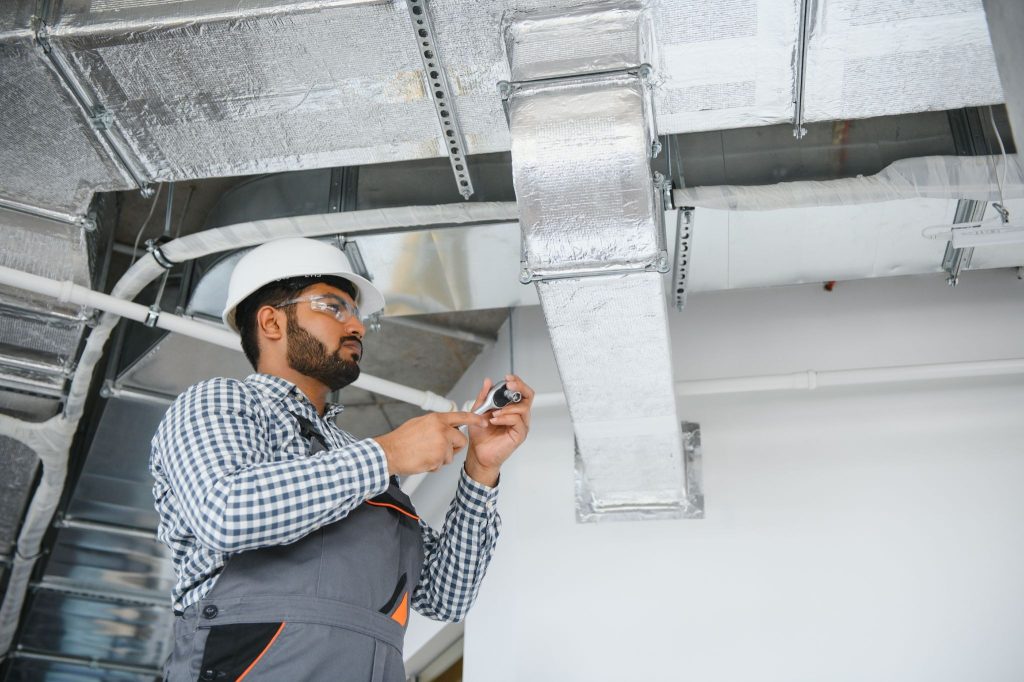
Technicians examine accessible ducts for debris, leaks, or damage. Tools like flashlights, borescopes, and cameras help inspect hidden sections. Even minor cracks or disconnected sections can be identified during this step.
Airflow and Pressure Testing
Testing airflow and system pressure helps detect blockages, leaks, or inefficiencies invisible to the eye. These measurements reveal areas where the system is struggling, guiding targeted cleaning or repairs.
Indoor Air Quality Evaluation
Professional inspections may include checking for contaminants like dust, mold, or chemical residues. Particle counters and sensors help quantify indoor air quality and determine whether cleaning or duct replacements are necessary.
Recommended Frequency of Air Duct Inspections
The frequency of inspections depends on system age, environmental factors, and household conditions.
Age of HVAC System
Older systems are more prone to wear, leaks, and dust accumulation. While newer systems may require inspections every 3–5 years, older systems benefit from annual checks.
Environmental Factors
Homes with pets, smokers, or high dust levels require more frequent inspections. Humid climates increase the risk of mold, necessitating additional checks.
Signs That Immediate Inspection Is Needed
Even if your schedule doesn’t call for it, certain indicators warrant prompt inspection: uneven airflow, unusual odors, strange noises, or unexpected spikes in energy bills. Acting early prevents small issues from turning into costly repairs.
DIY vs. Professional Air Duct Inspections
Homeowners can perform basic assessments, but professional inspections are more thorough and accurate.
-
DIY limitations: Visibility is limited, tools are basic, and underlying issues may go unnoticed.
-
Professional advantages: Experts use specialized tools, understand HVAC dynamics, and can provide actionable reports and remediation plans.
While homeowners can monitor vents and replace filters, professionals ensure the system operates safely and efficiently.
Maintenance Tips Between Inspections
Keeping ducts in good condition between professional checks prolongs system life and supports clean airflow.
Regular Filter Replacement
Filters prevent debris from entering ducts. Using high-quality filters and replacing them on schedule reduces dust buildup and maintains airflow efficiency.
Keep Vents and Registers Clean
Dust collects near supply and return vents. Simple cleaning prevents debris from entering ducts and spreading throughout the home.
Monitor Humidity and Moisture Levels
Damp ducts can lead to mold growth and corrosion. Using dehumidifiers or integrated HVAC moisture controls helps maintain safe moisture levels and prevents contamination.
Cost Considerations and ROI of Air Duct Inspections
Professional inspections typically cost between $100 and $300, depending on system size and accessibility. While it’s an upfront expense, the long-term benefits often outweigh costs:
-
Lower energy bills through improved efficiency.
-
Reduced repair expenses by catching issues early.
-
Prolonged HVAC system lifespan.
Investing in inspections is cost-effective, particularly for older homes or systems with visible wear.
Choosing a Reliable HVAC Inspection Service
Selecting a certified, experienced professional ensures accurate inspections. Look for:
-
Licensed and insured technicians.
-
Positive customer reviews and references.
-
Transparent methods and detailed inspection reports.
Ask questions about their tools, procedures, and reporting practices before hiring. A reputable company provides clear guidance and actionable recommendations.
Conclusion
Regular air duct inspection is essential for healthy, efficient, and long-lasting HVAC systems. From improving indoor air quality to identifying hidden leaks, inspections protect both your home and your wallet.
Homeowners who combine professional inspections with routine maintenance—such as filter changes, vent cleaning, and humidity control—maximize HVAC performance and comfort. Proactive inspections prevent costly repairs and help ensure clean, safe air for your family.
Investing time and resources in duct inspection is a small step with a significant long-term payoff. Protect your system, your health, and your energy bills by making inspections a priority.
FAQs
1. How often should I schedule an air duct inspection for my home HVAC system?
Most homes benefit from an inspection every 3–5 years, but older systems or high-dust environments may require annual checks.
2. Can I inspect my air ducts myself, or should I hire a professional?
DIY inspections can identify obvious issues, but professionals use specialized tools to detect leaks, mold, and hidden debris accurately.
3. What signs indicate my air ducts need immediate inspection?
Unusual odors, uneven airflow, strange noises, rising energy bills, or visible dust buildup are strong indicators that inspection is needed.
4. Does air duct inspection improve energy efficiency?
Yes. Cleaning and sealing ducts reduce airflow resistance, allowing the HVAC system to operate efficiently and lowering energy costs.
5. Are air duct inspections necessary for homes without visible problems?
Even if no problems are visible, inspections prevent hidden issues like mold, leaks, or dust buildup that could compromise indoor air quality and system performance.