
Clean air ducts are essential for maintaining healthy indoor air and efficient HVAC systems. Over time, dust, debris, and even mold can accumulate inside your ductwork, reducing air quality and forcing your heating or cooling system to work harder. Ignoring these issues can lead to higher energy bills, discomfort, and potential health problems.
Recognizing the signs that your air ducts require inspection or cleaning is the first step toward preventing these complications. While some indicators are visible, others may affect comfort or system performance subtly. This guide outlines the most common air duct cleaning signs, explaining why they matter and what action to take when they appear.
Visible Signs of Dirty Air Ducts
Physical inspection of your vents and ducts can often reveal issues before they become major problems. Certain visible cues suggest the accumulation of dirt or the presence of contaminants inside the system.
Dust and Debris Around Vents
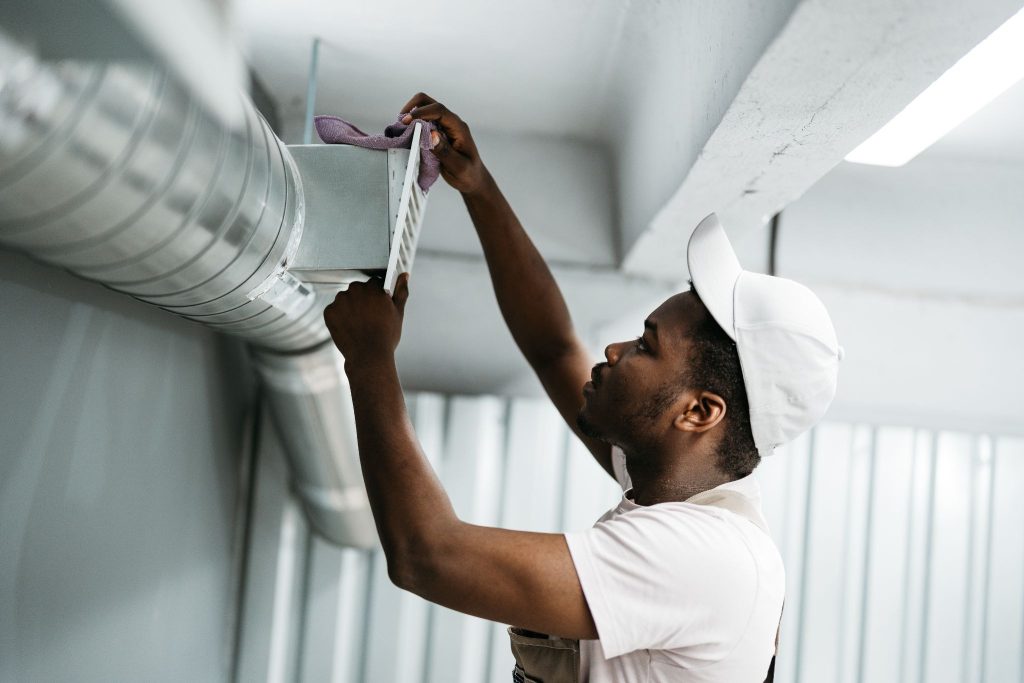
One of the most obvious signs of dirty air ducts is excessive dust near air registers or grills. Even with regular home cleaning, dust that consistently reappears may be originating from inside the ducts. Small particles settling on furniture, floors, and surfaces indicate that the HVAC system is circulating contaminated air. Over time, this can contribute to allergies, dust-related discomfort, and reduced indoor air quality.
Mold or Mildew Presence
Mold and mildew are serious concerns when it comes to air ducts. Visible growth around vents or duct openings signals moisture problems inside the system. Musty or earthy odors often accompany this type of contamination, alerting homeowners to potential health risks. Mold spores can spread through the air, aggravating respiratory conditions and triggering allergic reactions. Prompt inspection and professional cleaning are necessary when mold is suspected.
Health and Comfort Indicators
Dirty air ducts can affect occupants in subtle ways. Even without visible buildup, poor air quality or airflow can indicate the need for cleaning.
Allergies and Respiratory Issues
An increase in allergy symptoms or asthma flare-ups may indicate contaminated ducts. Persistent coughing, sneezing, congestion, or sinus irritation when at home—especially in rooms served by the HVAC system—suggests that airborne allergens or dust are circulating. Airborne particles, pollen, pet dander, and mold spores trapped in ducts can exacerbate these symptoms, making early detection critical for household health.
Uneven Temperature and Airflow
When certain rooms fail to heat or cool properly, or airflow feels weak, duct blockages or leaks may be to blame. Accumulated debris inside the system restricts air movement, reducing HVAC efficiency and causing discomfort. Uneven temperatures across the home can signal that airflow is not reaching all areas as intended, which may also point to leaks or damaged ductwork. Addressing these issues early prevents unnecessary strain on your system.
Mechanical and Efficiency-Related Signs
Dirty air ducts affect not only indoor air quality but also your HVAC system’s overall performance. Recognizing mechanical signs can save money on repairs and energy costs.
Higher Energy Bills
A less obvious but important indicator is an unexpected increase in energy usage. When ducts are clogged with dust and debris, the HVAC system must work harder to maintain temperature. This added strain consumes more electricity or gas, leading to higher utility bills. Monitoring energy consumption alongside airflow and comfort levels can help identify hidden issues in duct performance.
Unusual Noises or Odors from HVAC System
Rattling, buzzing, or whistling sounds coming from vents often indicate debris inside ductwork or loose components. Similarly, persistent odors that cannot be traced to other sources may point to contamination within the system. Dust, mold, or accumulated particles can generate distinct smells when heated or cooled. Addressing these mechanical and odor-related signals promptly ensures safer air quality and prevents further damage to the HVAC system.
Frequency and Preventive Maintenance Tips
Regular maintenance helps prevent many air duct issues before they escalate. The frequency of inspections and cleaning depends on several factors, including household size, pets, smoking habits, and recent home renovations. Homes with multiple occupants, pets, or smokers may accumulate dust and debris more rapidly, requiring more frequent attention. Renovations can introduce dust and construction debris into the system, making post-construction cleaning essential.
Even in well-maintained homes, scheduling a professional duct inspection every three to five years is recommended. Cleaning may be necessary sooner if any of the visible, health, or mechanical signs outlined above appear. Preventive maintenance not only improves indoor air quality but also extends the life of your HVAC system and reduces long-term energy costs.
Conclusion
Air duct cleaning is an often-overlooked aspect of home maintenance, yet it plays a crucial role in health, comfort, and energy efficiency. Recognizing the signs of dirty or obstructed ducts is essential. Visible dust or debris, mold growth, musty odors, increased allergy symptoms, uneven airflow, higher energy bills, and unusual HVAC noises all indicate that inspection or cleaning may be required.
Early detection and preventive maintenance protect indoor air quality, reduce energy consumption, and prevent costly repairs. By paying attention to these air duct cleaning signs, homeowners can ensure their HVAC systems operate efficiently and that the air circulating through their home remains clean and safe. Regular inspection and timely professional cleaning create a healthier, more comfortable living environment while prolonging the life of your heating and cooling system.
FAQs
1. How can I tell if my air ducts need cleaning?
Signs include excessive dust around vents, musty odors, visible mold, uneven airflow, increased allergies, and higher energy bills. Professional inspection confirms contamination and necessary cleaning.
2. How often should air ducts be inspected or cleaned?
Air ducts should generally be inspected every three to five years, with cleaning sooner if pets, smokers, renovations, or visible contamination increase dust, debris, or mold accumulation.
3. Can dirty air ducts affect my health?
Yes, contaminated ducts circulate dust, mold, pollen, and other allergens, potentially triggering respiratory issues, allergies, coughing, sneezing, or asthma flare-ups, particularly in sensitive individuals or children.
4. Why do my energy bills increase with dirty ducts?
Clogged or blocked ducts restrict airflow, forcing HVAC systems to work harder to maintain temperatures, which increases electricity or gas usage and reduces overall efficiency.
5. Are odors from air vents a sign of duct problems?
Persistent musty, moldy, or unusual smells from vents often indicate dirt, debris, or microbial growth inside ducts, signaling that inspection or professional cleaning is needed promptly.