
In our increasingly energy-conscious world, the efficiency of heating, ventilation, and air conditioning (HVAC) systems has become a focal point for homeowners and businesses alike. The way we manage our indoor climate not only affects our comfort but also has significant implications for energy consumption and costs. One of the most critical components influencing HVAC efficiency is the thermostat. Understanding how to optimize thermostat settings can lead to substantial savings and a reduced environmental footprint. This blog post delves into the various aspects of thermostat settings and their impact on HVAC efficiency, empowering you with the knowledge to make informed decisions that enhance your system’s performance.
The Basics of HVAC Systems
How HVAC Systems Work
Before we dive into thermostat settings, it’s essential to understand how HVAC systems function. An HVAC system is designed to regulate indoor temperature and air quality through three primary processes: heating, cooling, and ventilation. The system consists of several components, including a furnace or heat pump, an air conditioning unit, ductwork, and, of course, the thermostat.
When you adjust the thermostat, you send a signal to the HVAC system to either heat or cool the space. The system then works to reach the temperature you’ve set. This process involves circulating air through the ducts, which is heated or cooled before being distributed throughout your home. Understanding this mechanism is crucial to appreciating how thermostat settings can optimize energy usage and improve overall system efficiency.
Components of an HVAC System
An HVAC system is made up of several key components, each of which plays a vital role in maintaining indoor comfort. The furnace or heat pump generates heat, while the air conditioning unit provides cooling. Ductwork distributes this conditioned air throughout the home. The thermostat acts as the control center, monitoring indoor temperature and communicating your desired settings to the HVAC equipment.
When all these components work together harmoniously, the system operates efficiently. However, if one element is not functioning optimally, it can lead to increased energy consumption and discomfort. This is where the importance of proper thermostat settings comes into play.
The Role of Thermostats in HVAC Efficiency
Types of Thermostats
Thermostats have evolved significantly over the years, and today, there are various types available to suit different needs and preferences. The most common types include:
- Manual Thermostats: These basic devices require manual adjustments to set the desired temperature. They are straightforward and easy to use but lack advanced features that promote efficiency.
- Programmable Thermostats: These devices allow users to set specific schedules for heating and cooling. You can program different temperature settings for various times of the day, ensuring that your HVAC system operates only when needed.
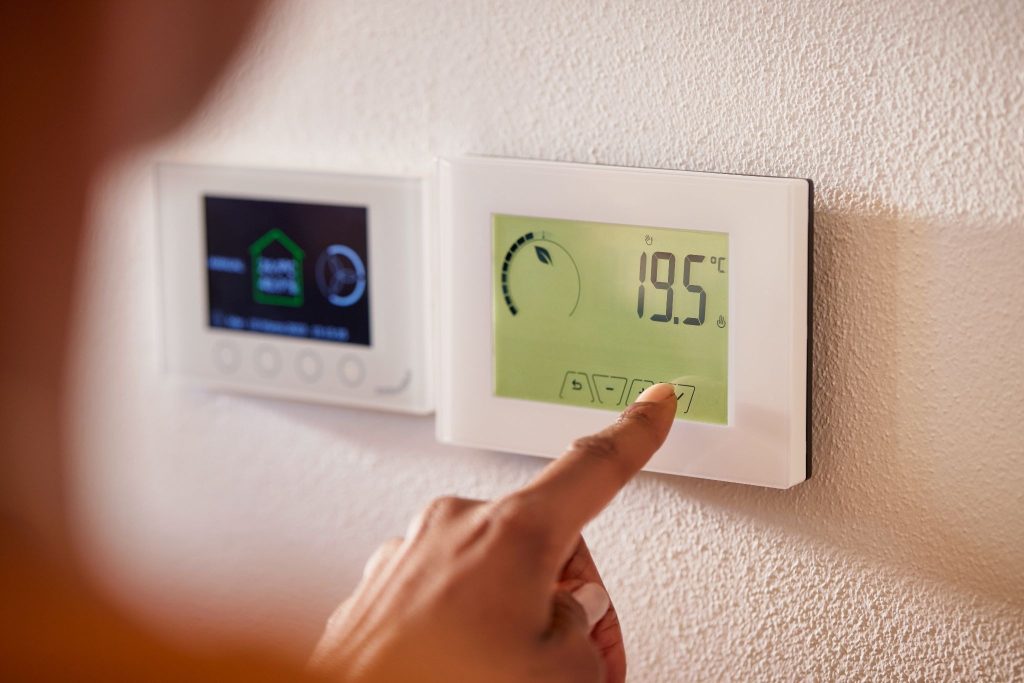
- Smart Thermostats: The most advanced option, smart thermostats, connect to the internet and can learn your preferences over time. They can be controlled remotely via smartphones and can provide insights into energy usage, allowing for even more precise management of your HVAC system.
Choosing the right type of thermostat is crucial for achieving optimal HVAC efficiency. Each type has its advantages and can significantly impact how well your system performs.
Smart Thermostats vs. Traditional Thermostats
Smart thermostats have gained immense popularity due to their ability to enhance energy efficiency significantly. Unlike traditional thermostats, which require manual adjustments, smart thermostats can learn your daily routines and adjust settings automatically. This feature not only improves comfort but also saves energy.
For instance, a smart thermostat can detect when you leave home and automatically adjust the temperature to conserve energy. It can also provide energy usage reports, helping you identify patterns and make informed decisions about your heating and cooling habits. The convenience of controlling your thermostat remotely through a smartphone app adds an extra layer of efficiency, as you can adjust settings from anywhere.
Investing in a smart thermostat can lead to substantial energy savings over time. According to studies, homeowners can save anywhere from 10% to 30% on their heating and cooling costs by utilizing smart thermostat features effectively. These savings can add up significantly, making it a worthwhile investment for both your wallet and the environment.
Optimizing Thermostat Settings for Maximum Efficiency
Recommended Temperature Settings
One of the most critical factors in HVAC efficiency is the temperature setting on your thermostat. The U.S. Department of Energy recommends specific temperature settings to optimize energy efficiency: 78°F (26°C) during the summer months and 68°F (20°C) in the winter. These settings strike a balance between comfort and energy savings.
By keeping your thermostat at these recommended temperatures, you can significantly reduce your energy consumption. Each degree you adjust your thermostat up or down can lead to a 1% increase or decrease in energy usage. Therefore, even minor adjustments can have a considerable impact on your energy bills over time.
Seasonal Adjustments for HVAC Efficiency
As the seasons change, so should your thermostat settings. During the winter months, consider lowering your thermostat when you’re asleep or away from home to save energy. A programmable thermostat can automate this process, ensuring your home remains comfortable while minimizing energy waste.
In the summer, consider raising the thermostat a few degrees when you’re not home. Each degree you increase can lead to energy savings of around 3-5%. Additionally, using fans to circulate air can help maintain a comfortable temperature without overworking your HVAC system.
Utilizing Nighttime Settings
During the night when outdoor temperatures drop, you may not need your HVAC system to work as hard. Lowering the thermostat at night can lead to substantial energy savings. If you have a programmable or smart thermostat, consider scheduling a nighttime setting that adjusts the temperature automatically, allowing your system to operate more efficiently while you sleep.
Best Practices for Thermostat Usage
Utilizing Programmable Features
If you have a programmable thermostat, utilize its features to create a customized schedule that aligns with your lifestyle. For example, setting your thermostat to lower the temperature during work hours or when you’re asleep can lead to significant energy savings.
Take the time to familiarize yourself with your thermostat’s programming options. Many models allow you to set different temperatures for weekdays and weekends, accommodating your varying routines. By optimizing your thermostat’s programming, you can ensure that your HVAC system operates efficiently without sacrificing comfort.
Manual Adjustments and Their Impact
While programmable settings are beneficial, it’s essential to understand the impact of manual adjustments. Frequent changes can confuse the system and lead to inefficiencies. Instead, establish consistent settings and only adjust when necessary to maintain optimal efficiency.
If you need to make a manual adjustment, try to do so gradually. Instead of drastically changing the temperature, make small adjustments and give the system time to respond. This approach minimizes the strain on your HVAC system and ensures more efficient operation.
Educating Household Members
Educating everyone in your household about the importance of thermostat settings can contribute to improved HVAC efficiency. Encourage family members to be mindful of temperature adjustments and to utilize programmable features. Establishing a culture of energy efficiency within your home can lead to collective savings and a more comfortable living environment.
Common Mistakes with Thermostat Settings
Over-Adjusting Temperature
One common mistake homeowners make is over-adjusting the thermostat in response to temperature changes. For instance, turning the thermostat down drastically in an attempt to cool the house faster can lead to higher energy bills and unnecessary strain on the HVAC system. Instead, aim for gradual adjustments to maintain comfort without sacrificing efficiency.
When you feel too hot or too cold, it can be tempting to make immediate adjustments. However, the HVAC system’s response time varies, and drastic changes can lead to inefficient operation. A better approach is to make small adjustments and allow the system time to stabilize.
Ignoring Maintenance Needs
Thermostat settings are only one piece of the puzzle. Ignoring regular maintenance of your HVAC system can undermine any efforts to optimize thermostat efficiency. Ensure your system is properly serviced, including changing filters and cleaning ducts, to maintain peak performance and efficiency.
A well-maintained HVAC system operates more effectively, which means it can respond better to your thermostat settings. Regular maintenance also helps identify potential issues before they escalate, ensuring your system runs smoothly and efficiently.
The Financial Benefits of Efficient Thermostat Settings
Saving on Energy Bills
Optimizing your thermostat settings can lead to significant savings on your energy bills. According to the U.S. Department of Energy, you can save up to 10% a year on heating and cooling costs by adjusting your thermostat by just 7-10°F for eight hours a day. These savings can add up, making a noticeable difference in your monthly expenses.
For example, if you typically spend $200 per month on heating and cooling, a 10% savings translates to $20 per month. Over a year, that’s an extra $240 in your pocket. With energy costs continuing to rise, finding ways to save is more important than ever.
Increasing the Lifespan of Your HVAC System
Proper thermostat settings not only save money but can also extend the lifespan of your HVAC system. When your system operates efficiently, it experiences less wear and tear, reducing the likelihood of costly repairs or replacements. By prioritizing thermostat efficiency, you invest in the longevity of your heating and cooling equipment.
Regular maintenance combined with optimal thermostat settings can lead to a more reliable system. This means fewer breakdowns and extended service life, which ultimately saves you money in the long run.
Environmental Impact
In addition to financial benefits, optimizing your thermostat settings contributes to a healthier environment. Reducing energy consumption lowers greenhouse gas emissions associated with electricity production. By being mindful of your thermostat settings, you’re not only saving money but also playing a role in promoting sustainability and protecting the planet.
The Cost of Inefficiency
On the flip side, inefficient thermostat settings can lead to high energy bills and unnecessary wear on your HVAC system. Many homeowners underestimate the impact of improper settings, leading to costly consequences. Understanding how your thermostat influences energy consumption is essential for avoiding these pitfalls.
Expert Advice on HVAC Efficiency
Professional Insights on Thermostat Management
Experts recommend periodically reviewing and adjusting your thermostat settings, especially during seasonal transitions. Consider consulting with an HVAC professional to assess your system’s efficiency and receive personalized recommendations. Their expertise can provide valuable insights into optimizing your thermostat for maximum efficiency.
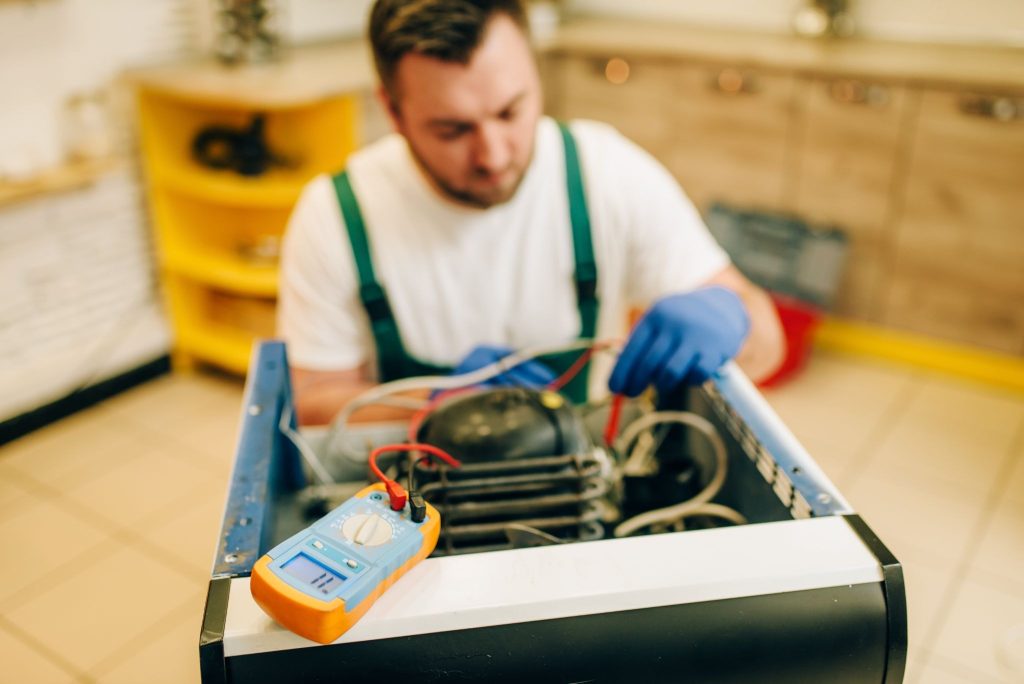
An HVAC technician can help you identify any issues that may be affecting your system’s performance. They can also offer advice on the best thermostat for your specific needs and ensure that your entire HVAC system is operating at peak efficiency.
How to Choose the Right Thermostat for Your Home
Selecting the right thermostat is crucial for enhancing HVAC efficiency. Consider factors such as your home’s size, your lifestyle, and your budget. A smart thermostat may be ideal for tech-savvy homeowners, while a simple programmable model might suffice for others. Do your research and choose a thermostat that aligns with your needs and enhances overall efficiency.
When selecting a thermostat, look for features that will benefit your lifestyle. For example, if you travel frequently, a smart thermostat with remote access may be the best option. If you prefer simplicity, a basic programmable thermostat may serve your needs well.
Conclusion
In conclusion, optimizing thermostat settings is a vital step toward improving HVAC efficiency. By understanding the impact of temperature adjustments, utilizing programmable features, and avoiding common mistakes, you can significantly enhance your system’s performance. As energy costs continue to rise and environmental concerns grow, every small adjustment counts. Take control of your HVAC efficiency today—your wallet and the planet will thank you.