Commercial refrigeration equipment performs a critical function in many businesses, operating around the clock under demanding conditions to maintain the precise temperatures that food safety, product quality, and regulatory compliance require.
Managing this equipment effectively, through a combination of skilled professional service and sensible operational practices, is essential for protecting the significant investment it represents and avoiding the operational disruptions that equipment failures create.
Invest in Comprehensive Refrigeration Services
Maintaining commercial refrigeration systems in peak condition requires access to skilled professionals who understand the technology, the regulatory environment, and the operational pressures that businesses face. Comprehensive refrigeration services cover the full lifecycle of commercial refrigeration equipment, from initial installation and commissioning through scheduled preventive maintenance, emergency repair, and eventual end-of-life replacement.
Companies specializing in commercial refrigeration service employ technicians certified in refrigerant handling and familiar with the brands and systems most commonly found in food service, retail, and industrial applications.
Establishing a Maintenance Schedule
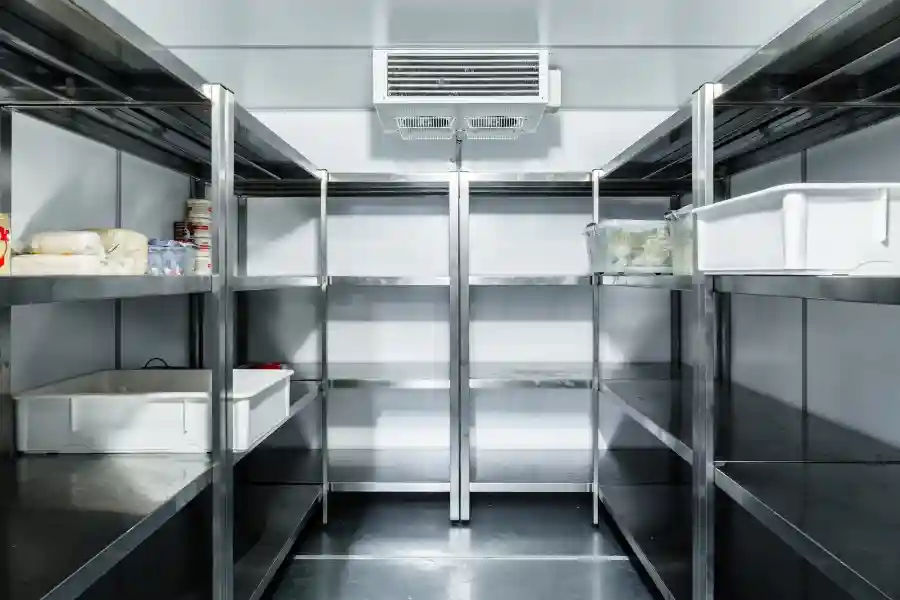
The frequency and scope of preventive maintenance for commercial refrigeration equipment should reflect the type of equipment, the demands placed on it, and the criticality of any failure to the business. Walk-in coolers and freezers serving busy kitchens typically warrant quarterly maintenance visits.
Display cases and reach-in units in retail environments benefit from semi-annual servicing at minimum. Any equipment operating in particularly dusty or grease-laden environments will require more frequent condenser cleaning to prevent blockages that reduce efficiency and cause overheating.
Operational Practices That Protect Your Equipment
The way staff interact with refrigeration equipment daily has a meaningful impact on its performance and longevity. Training employees to keep door openings brief, check that doors are fully sealed after each use, avoid blocking air circulation within units, and report unusual noises or temperature fluctuations promptly extends the time between service needs and helps catch developing issues early.
Ensuring that units are not loaded beyond their rated capacity and that hot items are cooled to room temperature before being placed in refrigerated storage reduces the thermal load the equipment must manage and protects both product quality and system longevity.
Monitoring Temperature and Performance
Continuous temperature monitoring is an increasingly standard practice in regulated food service and pharmaceutical environments but is beneficial for any business operating commercial refrigeration equipment. Digital monitoring systems log temperature data continuously and can send alerts if temperatures rise above acceptable thresholds at any hour of the day or night.
This early warning capability allows corrective action to be taken before a product is compromised and provides the documentation records that health inspectors and auditors may require.
Recognizing When Equipment Needs Replacement
Even well-maintained commercial refrigeration equipment reaches a point where the cost of ongoing repairs and energy consumption makes replacement the more economical choice. Signs that equipment may be approaching the end of its useful life include increasing frequency of breakdowns, difficulty sourcing replacement parts and electricity consumption that has risen significantly compared to historical levels.
A service provider familiar with your equipment can provide an honest assessment of repair-versus-replace economics when any of these indicators appear.
Conclusion
Well-maintained commercial refrigeration equipment is a business asset that repays the investment in its care through reliable operation, lower energy costs, regulatory compliance, and the protection of valuable perishable inventory.
By establishing a professional service relationship, implementing a structured maintenance program, training staff in good operational practices, and monitoring performance continuously, businesses ensure that this critical equipment serves them effectively for the full extent of its operational lifespan.