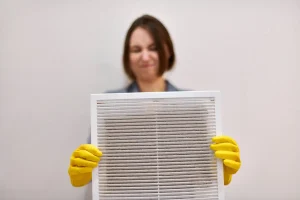
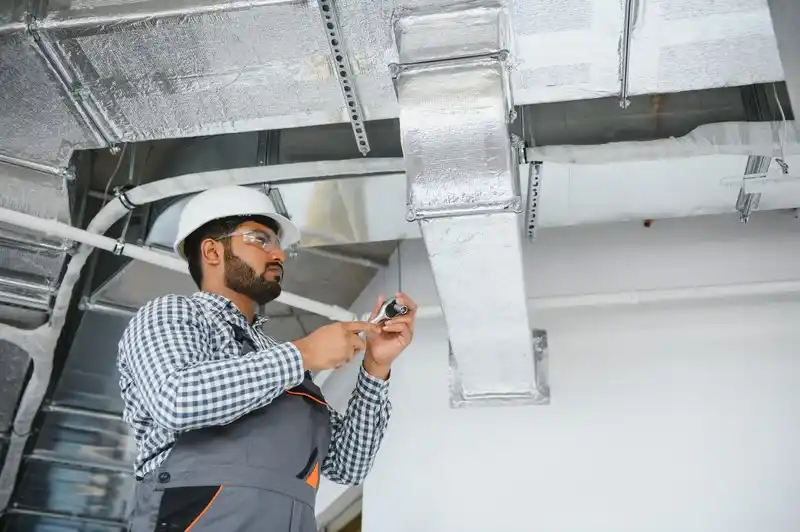
An air duct inspection is one of the most important but often ignored parts of HVAC maintenance. Most people only think about their heating or cooling system when it stops working properly. By that time, the issue is usually already serious and expensive. Air ducts act like the lungs of a building, moving air throughout every room. When they are clean and sealed, the system runs efficiently. When they are damaged or contaminated, they quietly affect air quality, comfort, and energy costs. Understanding what gets discovered during an air duct inspection helps prevent long-term damage and improve overall indoor living conditions.
Why is an air duct inspection essential for indoor air quality and system health?
Air ducts collect dust, moisture, and airborne particles over time because air constantly circulates through them. Even with filters in place, small particles eventually settle inside the ductwork. Without inspection, these build-ups slowly reduce airflow and force the HVAC system to work harder than necessary. This increases energy usage and reduces system lifespan. Early inspection helps identify these issues before they become costly repairs or health concerns.
Hidden risks inside neglected duct systems
Neglected duct systems often develop dust blockages that restrict airflow. Moisture buildup is another hidden issue that can lead to mold growth inside enclosed areas. These problems are difficult to detect without professional inspection because they develop gradually and remain out of sight. Over time, they reduce air quality and make the HVAC system less efficient.
Common contamination issues found during air duct inspection
Contamination is one of the most frequent findings during an air duct inspection. Ducts can accumulate dust, dirt, pollen, pet dander, and even construction debris depending on the environment. Since air continuously circulates through the system, these particles are redistributed throughout the entire building. This can significantly impact indoor air quality, especially for individuals with allergies or respiratory conditions.
Dust, dirt, and particulate buildup patterns
Dust buildup typically comes from everyday indoor activity such as cleaning, movement, and general air circulation. In newly built or renovated homes, construction debris like drywall particles and sawdust can also enter the system. Outdoor pollutants can enter through ventilation intakes, especially in urban areas. Over time, these particles form layers inside ducts, restricting airflow and reducing efficiency.
Mold, mildew, and moisture-related damage inside ducts
Moisture inside duct systems is a major concern because it creates ideal conditions for mold and mildew growth. Condensation forms when warm air meets cooler duct surfaces, especially if insulation is poor or there are small leaks. Once moisture is present, biological growth can spread quickly in dark and enclosed spaces. This is one of the most serious issues found during an air duct inspection.
Health risks linked to biological contamination
Mold spores circulating through air ducts can affect indoor air quality and trigger health issues. Common symptoms include allergies, coughing, headaches, and respiratory irritation. In sensitive individuals, prolonged exposure may worsen asthma or other chronic conditions. Since ducts distribute air throughout the entire home, contamination in one area can impact every room.
Structural issues discovered during air duct inspection
Air duct inspections often reveal physical damage that is hidden behind walls or ceilings. Over time, ducts may crack, loosen, or collapse due to age, pressure, or poor installation. These structural problems directly affect airflow efficiency and system performance. Even small damage can lead to significant air loss and uneven temperature distribution.
Common structural faults in duct systems
Cracks and holes in ductwork allow conditioned air to escape before reaching intended rooms. Disconnected joints are another frequent issue, especially in older systems. In some cases, duct sections may collapse or become crushed, blocking airflow completely. Poor sealing or insulation failure also contributes to air leakage and reduced efficiency.
Airflow problems and efficiency losses detected in inspection
Airflow issues are a major indicator of duct system problems. When air cannot move freely, some rooms become too hot or too cold while others remain unaffected. This imbalance forces the HVAC system to run longer cycles, increasing energy consumption and wear on components. These issues are often subtle at first but become more noticeable over time.
Signs of restricted or uneven airflow
One of the most common signs is inconsistent room temperatures, often called hot and cold spots. Weak airflow from vents is another indicator of blockages or leaks. In some cases, the HVAC system runs more frequently than normal, which signals that it is struggling to maintain desired temperature levels.
Pest infestations and biological intrusions in air ducts
Air ducts can sometimes become entry points for pests such as rodents and insects. These pests usually enter through damaged vents or gaps in ductwork. Once inside, they may nest, damage insulation, or leave waste materials behind. This creates both structural and air quality problems that require immediate attention.
Indicators of pest activity inside ducts
Common signs include droppings near vents, nesting materials inside duct openings, or unusual odors coming from airflow. Scratching or movement sounds inside walls may also indicate active infestation. Chewed insulation or wiring damage is another serious warning sign that pests have entered the system.
Air leakage and sealing failures identified during inspection
Air leakage is one of the most common efficiency problems found during an air duct inspection. When ducts are not properly sealed, conditioned air escapes into unused spaces instead of reaching intended rooms. This leads to wasted energy and reduced comfort levels throughout the building. Leak detection tools are often used to identify even small gaps that are not visible during a basic visual inspection.
Consequences of leaking air ducts
Leaking ducts increase energy bills because the HVAC system must work harder to compensate for lost air. They also create uneven temperature distribution, reducing comfort in living spaces. In some cases, leaks allow dust and unfiltered air to enter the system, further affecting indoor air quality.
HVAC system inefficiencies linked to duct problems
Duct issues directly affect HVAC performance because airflow is a critical part of system operation. When ducts are blocked, leaking, or poorly designed, the system must run longer to achieve the same results. This increases energy usage and accelerates wear on mechanical components such as fans and compressors. Over time, this can reduce the lifespan of the entire system.
Early warning signs of system strain
Frequent cycling on and off is a common early sign of HVAC strain. Unusual noises or vibrations can indicate airflow restrictions or mechanical stress. Inconsistent temperature control across rooms is another clear indicator that the duct system is not functioning properly and requires inspection.
When an air duct inspection reveals the need for immediate action
Some issues found during an air duct inspection require urgent attention. Problems such as mold growth, severe leaks, or pest infestations can quickly worsen if ignored. These issues affect both health and system safety, making them a top priority for repair. Less serious issues like dust buildup can usually be scheduled for routine maintenance.
Prioritizing repairs based on inspection findings
Health-related risks, such as mold or biological contamination, should always be addressed first. Energy efficiency issues like leaks and airflow problems come next because they affect operating costs. Structural repairs are handled after urgent risks are resolved to restore long-term system stability and performance.
Conclusion
An air duct inspection plays a crucial role in maintaining indoor air quality and HVAC performance. It helps detect hidden problems such as contamination, leaks, mold, pests, and structural damage before they become expensive repairs. Most duct issues develop slowly and remain unnoticed until they start affecting comfort or health. Regular inspection allows early detection, better energy efficiency, and improved system lifespan. In the long run, maintaining clean and properly sealed ductwork ensures a healthier, more comfortable, and more efficient indoor environment.