Indoor air quality has become an increasingly important concern as people spend a significant portion of their time inside homes, offices, and enclosed environments. While outdoor pollution often receives more attention, indoor air can sometimes be even more contaminated due to limited ventilation, accumulated dust, and continuous air circulation through HVAC systems. Over time, these factors contribute to the buildup of allergens and pollutants that can negatively affect comfort and health.
Air duct inspections are a crucial yet often overlooked solution to this problem. By evaluating the condition of HVAC duct systems, these inspections help identify hidden contaminants, airflow issues, and potential health hazards. As awareness grows around indoor environmental quality, more homeowners are recognizing the importance of maintaining clean and efficient air ducts to ensure healthier living conditions.
Understanding Air Duct Systems
Air ducts are a vital part of any heating, ventilation, and air conditioning system. They are responsible for distributing conditioned air throughout a building, ensuring that each room maintains a consistent temperature. Because these ducts operate continuously, they naturally collect particles from the air that passes through them.
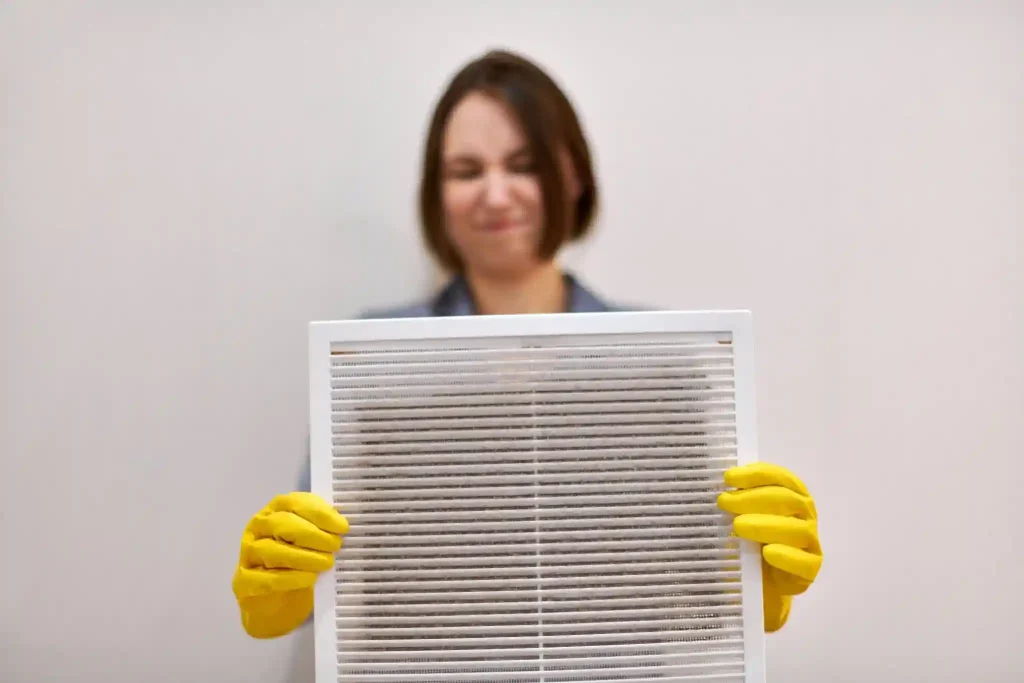
Over time, dust, dirt, pollen, and even microscopic organisms can accumulate within the ductwork. This buildup is often invisible to homeowners, yet it plays a significant role in determining the quality of the air being circulated. Since the system repeatedly cycles air through these ducts, any contaminants present can spread throughout the entire indoor space, affecting every room.
What Happens During an Air Duct Inspection
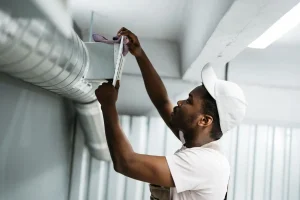
An air duct inspection is a detailed process carried out by trained professionals who assess the internal condition of HVAC ductwork. Using specialized tools such as inspection cameras, technicians are able to examine areas that are otherwise inaccessible.
During the inspection, professionals look for signs of contamination, structural damage, or inefficiencies within the system. They assess whether dust and debris have accumulated to problematic levels, check for moisture that could lead to mold growth, and identify any leaks or gaps that may allow unfiltered air to enter the system. The goal is not only to evaluate cleanliness but also to ensure that the system is functioning as efficiently as possible.
The Link Between Air Ducts and Indoor Air Quality
The connection between air ducts and indoor air quality is direct and significant. Since HVAC systems circulate air multiple times throughout the day, any pollutants within the ductwork are repeatedly distributed into living spaces. This continuous cycle can lead to a gradual decline in air quality, often without noticeable warning signs.
Poor indoor air quality can result in discomfort, reduced productivity, and even health issues. Many people experience symptoms such as headaches, fatigue, or respiratory irritation without realizing that their environment may be contributing to these problems. Air duct inspections help uncover these hidden issues, allowing homeowners to take corrective action before conditions worsen.
Can Air Duct Inspections Improve Indoor Air Quality?
Air duct inspections can play a major role in improving indoor air quality, particularly when they lead to necessary cleaning or repairs. By identifying the presence of dust, mold, or other contaminants, inspections provide a clear understanding of what is affecting the air inside a building.
Once these issues are detected, appropriate measures can be taken to remove or reduce the pollutants. This results in cleaner air circulation, which can significantly improve the overall indoor environment. While inspections alone do not remove contaminants, they are an essential first step in maintaining a healthier space.
How Allergens Accumulate in Air Ducts
Allergens are one of the most common concerns associated with air duct systems. These particles can enter ducts through open windows, doors, or even through the HVAC system itself. Over time, they settle within the ductwork and accumulate in layers.
When the system operates, these allergens are disturbed and carried into the air, where they can be inhaled by occupants. This is particularly problematic for individuals who suffer from allergies or asthma, as even small amounts of allergens can trigger symptoms. Regular inspections help identify these accumulations and reduce their impact.
Impact on Health and Daily Comfort
The quality of the air you breathe has a direct effect on your health and overall comfort. When air ducts are clean and functioning properly, they support a stable and comfortable indoor environment. However, when they are contaminated, they can contribute to a range of health issues.
People exposed to poor indoor air quality may experience persistent coughing, sneezing, or irritation in the eyes and throat. In more severe cases, long-term exposure can affect respiratory health and worsen existing conditions. By ensuring that air ducts are inspected and maintained, homeowners can create a safer and more comfortable living space.
Energy Efficiency and System Performance
Air duct inspections are not only beneficial for health but also for the efficiency of HVAC systems. When ducts are clogged with dust or debris, airflow becomes restricted. This forces the system to work harder to maintain the desired temperature, leading to increased energy consumption.
By identifying and addressing these issues, inspections help improve airflow and reduce strain on the system. This can result in lower energy bills and a longer lifespan for HVAC equipment. In this way, air duct inspections provide both health and financial benefits.
When Should You Consider an Inspection
Many people are unsure about when to schedule an air duct inspection. While there is no one-size-fits-all answer, certain situations make inspections especially important.
For example, if you have recently completed home renovations, there is a high likelihood that dust and debris have entered the duct system. Similarly, moving into a new home or experiencing unexplained allergy symptoms are strong indicators that an inspection may be necessary. Regular maintenance schedules can also help ensure that issues are detected early.
Professional vs DIY Approach
While some homeowners attempt to check their air ducts themselves, professional inspections are generally more effective. Professionals have access to specialized equipment that allows them to see deep בתוך the ductwork and identify problems that may not be visible from the outside.
DIY checks may provide a basic understanding of visible dust or airflow issues, but they often miss deeper contamination or structural problems. For a thorough and accurate assessment, professional inspections are the recommended approach.
Improving Indoor Air Beyond Inspections
Although air duct inspections are important, they are most effective when combined with other practices that support indoor air quality. Maintaining clean living spaces, using high-quality air filters, and ensuring proper ventilation all contribute to a healthier environment.
Humidity control is another important factor, as excessive moisture can promote mold growth within ducts. By taking a comprehensive approach, homeowners can maximize the benefits of air duct inspections and maintain better air quality over time.
Long-Term Benefits of Regular Inspections
Regular air duct inspections provide lasting advantages that go beyond immediate improvements. Over time, they help maintain consistent air quality, reduce the likelihood of costly repairs, and ensure that HVAC systems operate efficiently.
In addition, they contribute to a healthier living environment by minimizing exposure to airborne pollutants. This is especially important for families with children, elderly individuals, or anyone with respiratory sensitivities. Consistent maintenance leads to long-term comfort and peace of mind.
FAQs
1. Do air duct inspections really improve air quality?
Yes, air duct inspections can significantly improve indoor air quality by identifying dust, mold, and other contaminants within HVAC systems. When followed by proper cleaning and maintenance, these inspections help reduce airborne pollutants, improve airflow, and create a healthier environment for occupants, especially those with allergies or respiratory issues.
2. How do dirty air ducts affect allergies?
Dirty air ducts can worsen allergies by circulating dust, pollen, pet dander, and mold spores throughout your home. These airborne particles trigger allergic reactions and respiratory discomfort. Regular inspections and cleaning help remove these irritants, improving air quality and reducing symptoms for individuals sensitive to environmental allergens.
3. Is air duct inspection necessary for new homes?
Yes, even new homes can benefit from air duct inspections. Construction debris, dust, and contaminants often accumulate in duct systems during building. An inspection ensures the system is clean and functioning properly before regular use, helping maintain good indoor air quality from the beginning.
Final Thoughts
Air duct inspections are an essential component of maintaining a healthy indoor environment, especially in spaces where air circulation plays a central role in daily life. By identifying hidden contaminants, improving airflow, and supporting efficient HVAC performance, these inspections help ensure that the air you breathe is clean and safe. They are not just a maintenance task but a proactive step toward better health and comfort.
In the long run, investing in regular inspections can lead to significant benefits, including improved air quality, reduced allergens, and lower energy costs. When combined with good indoor habits and proper system maintenance, air duct inspections offer a reliable and effective way to create a healthier, more comfortable living space for you and your family.