Air duct systems play a quiet but important role in indoor comfort. Most people do not think about them until something feels off. Maybe the air smells unusual, or the airflow seems weak. That is when inspections come into the picture. Understanding the air duct inspection cost helps you avoid overpaying and also prevents you from skipping a service that may actually be needed. Many homeowners either delay inspections or agree to services without knowing what they are paying for. A clear view of costs and influencing factors makes decision-making much easier. It also helps you separate essential services from upsells that do not add real value.
Typical price range for air duct inspections
The cost of inspecting air ducts can vary quite a bit depending on several conditions. In most cases, a standard residential inspection falls within a moderate price range. However, this number changes when additional services or advanced tools are involved. Knowing the general pricing helps you set realistic expectations before contacting a service provider.
Average residential inspection costs
For a typical home, the air duct inspection cost usually falls between a basic and mid-level price range. Smaller homes tend to be on the lower side because they require less time and effort. Larger homes with more complex duct systems often cost more due to increased inspection time and effort.
Differences between basic and advanced inspection services
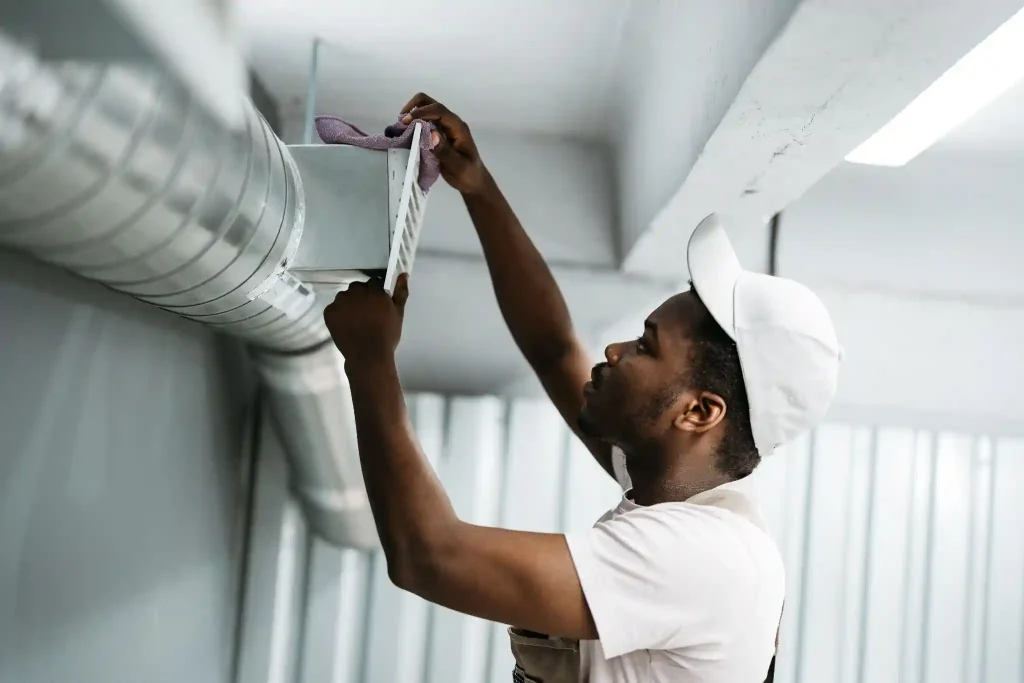
A simple inspection may involve a visual check of accessible ducts and vents. This is usually more affordable. Advanced inspections use cameras or testing tools to check deeper sections of the system. These services provide better insights but also increase the total cost.
Types of air duct inspection services available
Not all inspections are the same. The type of service you choose has a direct impact on the final air duct inspection cost. Some services are quick and surface-level, while others provide a detailed analysis of the entire system.
Visual inspections vs camera-based inspections
Visual inspections are limited to areas that technicians can easily access. These are faster and less expensive. Camera-based inspections allow technicians to see inside ducts that are otherwise hidden. This method offers more accuracy but requires specialized equipment, which increases the price.
Comprehensive system diagnostics and reporting
Some inspections include full system diagnostics and detailed reports. These reports help identify issues like airflow imbalance or contamination. While useful, they add to the overall cost because of the time and expertise required.
Property size and layout impact on pricing
The size and layout of a property play a major role in determining the air duct inspection cost. Larger spaces naturally require more time to inspect. Complex layouts can also make the process more challenging.
Single-family homes vs. multi-level properties
Single-level homes are usually easier to inspect. Multi-level homes often have more duct branches and hidden sections. This increases both the time and effort required, which leads to higher costs.
Commercial vs residential inspection pricing
Commercial properties often have larger and more complex systems. These inspections take longer and may require specialized tools. As a result, they are generally more expensive than residential inspections.
Geographic location and market pricing differences
Where you live also affects how much you pay for an inspection. Local labor rates and demand for HVAC services vary from place to place. This creates noticeable differences in pricing.
Urban vs rural service pricing
Urban areas usually have higher service costs due to increased demand and operating expenses. Rural areas may offer lower prices, but the availability of specialized services can be limited.
Seasonal demand fluctuations
Demand for inspections often increases during certain times of the year. For example, before summer or winter seasons, many homeowners schedule HVAC checks. Higher demand can lead to slightly higher prices.
Condition of ductwork and system age
The current condition of your duct system has a strong influence on the inspection process. Systems that are older or poorly maintained often require more detailed evaluation.
Mold, debris, and blockage detection
If there are signs of mold or heavy debris, technicians need to spend more time assessing the situation. This can increase the air duct inspection cost because it involves careful inspection and sometimes additional testing.
Older HVAC systems and accessibility issues
Older systems may have outdated designs that are harder to access. Limited access points make inspections more time-consuming and can increase labor costs.
Technology and tools used during the inspection
Modern inspections rely on a range of tools that improve accuracy. These tools also influence pricing because they require investment and expertise.
Camera systems and robotic inspection tools
High-quality cameras and robotic tools allow technicians to inspect deep inside duct systems. These tools provide clear visuals and detailed findings. Their use adds value but also increases the cost of the service.
Air quality testing equipment
Some inspections include air quality testing. This helps identify pollutants and allergens. While useful, it adds another layer to the inspection and increases the total cost.
Labor expertise and certification levels
The skill level of the technician matters more than many people realize. Experienced professionals often charge more, but they also provide better results.
Certified professionals vs general technicians
Certified technicians have formal training and follow industry standards. They are more likely to identify issues accurately. This level of expertise often comes at a higher price but offers better reliability.
Impact of specialized HVAC knowledge
Technicians with specialized knowledge can diagnose complex problems quickly. This reduces the chances of missed issues and unnecessary repeat inspections.
Additional services bundled with inspections
Many service providers offer packages that include inspections along with other services. These bundles can be convenient, but they also affect the overall air duct inspection cost.
Inspection plus cleaning packages
Some companies combine inspection with duct cleaning. While this can save time, it increases the total price. It is important to ensure that cleaning is actually needed before agreeing to such packages.
Preventive maintenance recommendations
Technicians may suggest maintenance services after inspection. These recommendations can help improve system performance, but should be evaluated carefully to avoid unnecessary expenses.
Hidden costs and pricing transparency
Not all costs are clearly stated upfront. Understanding potential hidden charges helps you avoid surprises.
Service call fees and minimum charges
Some companies charge a fee just for visiting your property. Others have minimum service charges regardless of the inspection scope. These costs can add up quickly.
Reporting and documentation costs
Detailed reports may come with additional fees. While useful, it is important to confirm whether these are included in the quoted price.
Cost-saving strategies without compromising quality
Managing inspection costs does not mean choosing the cheapest option. It means making smart decisions that balance price and quality.
Comparing multiple service providers
Getting quotes from different providers helps you understand market rates. It also allows you to compare services and choose the best option.
Scheduling during off-peak seasons
Booking inspections during less busy times can sometimes result in better pricing. Service providers may offer discounts when demand is lower.
When an air duct inspection is truly necessary
Not every situation requires an inspection. Knowing when to schedule one helps you avoid unnecessary spending.
Signs that indicate inspection is needed
Unusual odors, poor airflow, or visible dust buildup are common signs that an inspection may be needed. These indicators suggest that something is not working properly.
Routine maintenance vs. problem-based inspections
Routine inspections can help maintain system health, but they should not be overdone. Problem-based inspections are more targeted and often provide better value.
Conclusion
Understanding the air duct inspection cost involves looking beyond the basic price. Factors like property size, system condition, and service type all play a role. By knowing what affects pricing, you can make better decisions and avoid unnecessary expenses. The goal is to find a balance between cost and quality so that your HVAC system continues to perform efficiently without unexpected issues.