Most homeowners focus on visible appliances when trying to reduce energy bills. They upgrade thermostats, invest in efficient HVAC systems, and adjust daily habits. Yet, one critical system often remains overlooked: the air ducts. Hidden behind walls and ceilings, these ducts quietly determine how efficiently heated or cooled air travels through a home. When they are neglected, even the most advanced systems struggle to perform effectively.
Air duct inspection is not just a maintenance task. It is a revealing process that uncovers inefficiencies, leaks, and blockages that directly impact energy consumption. Understanding its role can transform the way homeowners approach energy efficiency and cost savings.
Understanding How Air Duct Systems Work
To fully grasp the value of air duct inspection, it is important to understand how duct systems function within a home.
The Pathway of Conditioned Air
Air ducts act as channels that distribute heated or cooled air from the HVAC system to different rooms. When functioning properly, they ensure consistent temperature and comfort throughout the space. However, even minor disruptions in this pathway can lead to significant energy loss.
The Impact of Airflow Efficiency
Efficient airflow is essential for maintaining indoor comfort without overworking the HVAC system. When ducts are clean and properly sealed, air moves freely and reaches its intended destination without resistance. This balance is key to reducing unnecessary energy use.
The Link Between Duct Condition and Energy Bills
Energy bills are directly influenced by how hard an HVAC system must work to maintain desired temperatures. Air duct condition plays a central role in this equation.
Energy Loss Through Leaks and Gaps
Leaky ducts allow conditioned air to escape before it reaches living spaces. This forces the system to run longer cycles to compensate for the loss, increasing energy consumption and costs.
Blockages That Restrict Performance
Dust, debris, and even mold can accumulate inside ducts over time. These blockages restrict airflow, making it harder for the system to distribute air efficiently. As a result, more energy is required to achieve the same level of comfort.
What Happens During an Air Duct Inspection
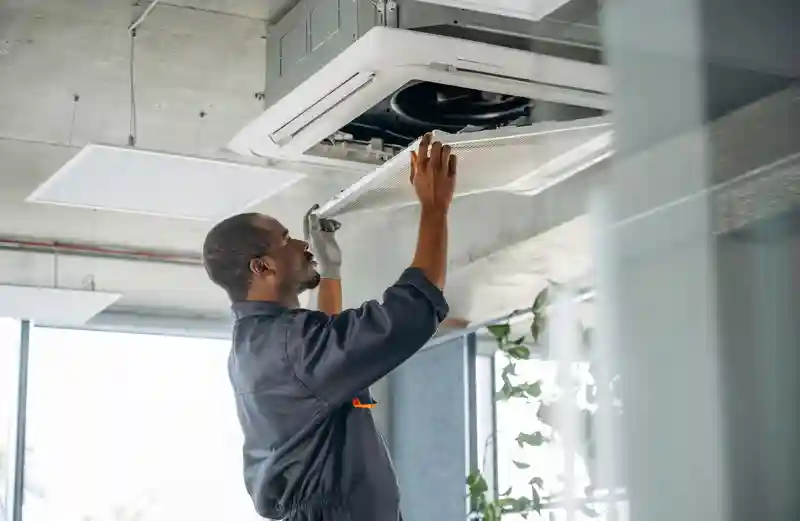
An air duct inspection provides a detailed assessment of the system’s condition, revealing issues that are not visible from the outside.
Identifying Structural Issues
Inspectors look for cracks, disconnected sections, and poorly sealed joints. These structural problems are often the main sources of energy loss.
Detecting Contamination and Build-Up
Accumulated dust and pollutants not only affect air quality but also reduce efficiency. Identifying these issues is the first step toward improving system performance.
How Inspection Leads to Energy Savings
The real value of air duct inspection lies in its ability to guide effective improvements.
Targeted Repairs and Sealing
Once leaks and gaps are identified, they can be sealed to prevent energy loss. This simple step often leads to noticeable reductions in energy bills.
Improved System Efficiency
With clear and unobstructed ducts, the HVAC system operates more efficiently. It requires less effort to maintain comfortable temperatures, resulting in lower energy consumption.
The Role of Regular Maintenance
Inspection is not a one-time solution. Regular maintenance ensures that ducts remain in optimal condition over time.
Preventing Long-Term Damage
Routine inspections help catch small issues before they become major problems. This proactive approach saves both energy and repair costs.
Maintaining Consistent Performance
A well-maintained duct system supports consistent airflow and temperature control, enhancing overall comfort and efficiency.
Common Signs That Indicate the Need for Inspection
Many homeowners are unaware of the warning signs that suggest duct issues.
Uneven Temperature Distribution
Rooms that are too hot or too cold often indicate airflow problems within the duct system.
Rising Energy Bills Without Clear Cause
An unexplained increase in energy costs can be a sign of hidden inefficiencies, including duct leaks or blockages.
Expert Insight: Efficiency Starts Behind the Walls
Energy efficiency experts often emphasize that true savings begin in the unseen parts of a home. Air ducts, though hidden, have a profound impact on overall performance. Ignoring them can undermine even the most advanced HVAC systems.
Experts also highlight the importance of combining inspection with action. Identifying problems is only the first step. Addressing them through sealing, cleaning, and proper maintenance is what ultimately leads to energy savings.
Another key insight is the role of professional evaluation. While some issues may seem minor, they often require specialized tools and expertise to diagnose and fix effectively. Investing in professional inspection ensures accurate results and long-term benefits.
Additional Benefits Beyond Energy Savings
While reducing energy bills is a primary goal, air duct inspection offers several additional advantages.
Improved Indoor Air Quality
Clean ducts reduce the circulation of dust and allergens, creating a healthier living environment.
Extended HVAC System Lifespan
When ducts function efficiently, the HVAC system experiences less strain. This can extend its lifespan and reduce the need for costly repairs.
Challenges and Misconceptions
Despite its benefits, air duct inspection is often misunderstood.
The Myth of Immediate Results
Some homeowners expect instant and dramatic savings. While improvements can be noticeable, the full benefits often develop over time as efficiency increases.
Underestimating Hidden Issues
Because ducts are not visible, their condition is easy to overlook. This can lead to prolonged inefficiencies and higher costs.
The Future of Energy Efficiency and Duct Systems
Advancements in technology are making air duct systems more efficient and easier to maintain.
Smart monitoring systems can now detect airflow issues in real time, allowing for quicker intervention. Improved materials and design are also reducing the likelihood of leaks and blockages. These innovations are shaping a future where energy efficiency becomes more accessible and effective.
Conclusion: A Small Step With Big Impact
Air duct inspection may seem like a minor aspect of home maintenance, but its impact on energy efficiency is significant. By identifying and addressing hidden issues, it helps reduce energy loss, improve system performance, and lower monthly bills.
For homeowners seeking practical ways to manage energy costs, this often-overlooked step can make a meaningful difference. It is a reminder that sometimes, the most effective solutions are found where we least expect them.
FAQs
Does air duct inspection really lower energy bills?
Yes, by identifying leaks and blockages, inspections help improve efficiency, which can reduce energy consumption and lower bills over time.
How often should air ducts be inspected?
It is generally recommended to inspect air ducts every few years, or sooner if there are signs of inefficiency or air quality issues.
Is professional inspection necessary?
Professional inspections are highly recommended, as experts can accurately identify and address issues that may not be visible to homeowners.